Punta Cana Hidden Gems Guide
Punta Cana’s most rewarding detours are not secret places marked on no map. They are natural beaches, freshwater lagoons, and less resort-centered corners that reveal another side of the destination. This guide focuses on three practical choices: Ojos Indígenas Ecological Reserve, Playa Macao, and Playa Cabeza de Toro. Each offers a distinct break from a conventional day beside a resort pool.
Punta Cana hidden gems at a glance
- Choose Ojos Indígenas for a nature walk among freshwater lagoons.
- Visit Playa Macao for a more natural coastal setting and local surf culture.
- Consider Playa Cabeza de Toro when planning a relaxed beach outing with children.
- Arrange a rental car or driver if you want to combine scattered locations independently.
- Check same-day sargassum conditions before committing to a beach.
- Use authorized transportation and examine adventure-tour safety practices before booking.
These places are better described as alternatives than undiscovered secrets. Macao and Cabeza de Toro are recognized beaches, while Ojos Indígenas is an established private reserve. Their appeal comes from changing the pace and scenery of a Punta Cana vacation, not from guaranteeing solitude. Conditions, visitor numbers, and services can vary, so build a flexible plan rather than a rigid checklist.

Private Punta Cana Airport Transfers Hotels in Dominican Republic
Why Choose The Punta Cana Airport Transfers? Experience the perfect combination of affordability and premium service for your Punta Cana airport trans...

Private Transfer from Punta Cana Airport to Bavaro
We offer reliable airport transfers for very affordable prices safe transportation service in punta cana. private tr...

VIP Private Round-Trip Transfer from Punta Cana Airport
At HQT Punta Cana, we provide more than just a ride — we deliver a seamless, premium transportation experience fro...
Ojos Indígenas brings freshwater nature into the itinerary
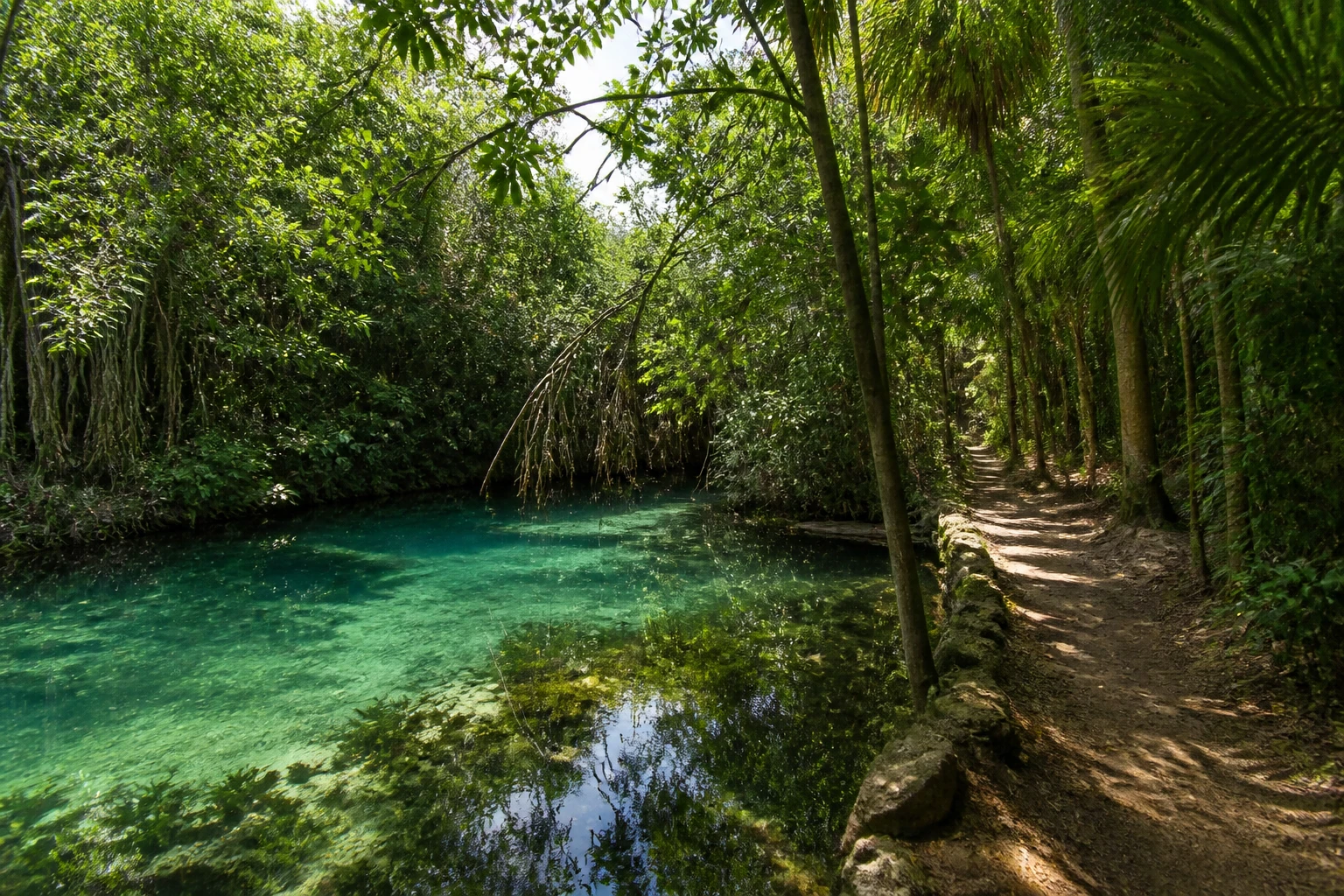
Ojos Indígenas Ecological Reserve is the strongest choice for travelers who want time away from the beach. This private natural reserve contains freshwater lagoons connected by walking routes. The Dominican Republic’s tourism authority specifically recommends walking among the lagoons, making the reserve a useful inland alternative when ocean conditions are uninviting.
Plan this as a morning or early-afternoon activity rather than a last-minute stop. Published access guidelines list reserve hours of 9:00 a.m. to 4:30 p.m., with ticket sales ending at 3:00 p.m. and final entry at 3:30 p.m. The same document lists external admission at US$50 with credit-card-only payment. Because these operational details can change, confirm the current schedule and fee before leaving your accommodation.
A dedicated Indigenous Eyes Ecological Reserve guide can help you plan this stop in greater detail. For the hidden-gems itinerary, the key decision is simple: reserve enough time to walk without rushing, arrive well before final entry, and avoid promising yourself a late visit after a full beach day.
Wear comfortable walking shoes and bring water. Confirm accessibility arrangements before visiting, particularly if anyone in your group needs a step-free route or mobility assistance. The available reserve information does not provide a dependable accessibility specification, so advance planning is important.
Playa Macao trades the resort strip for a natural beach setting
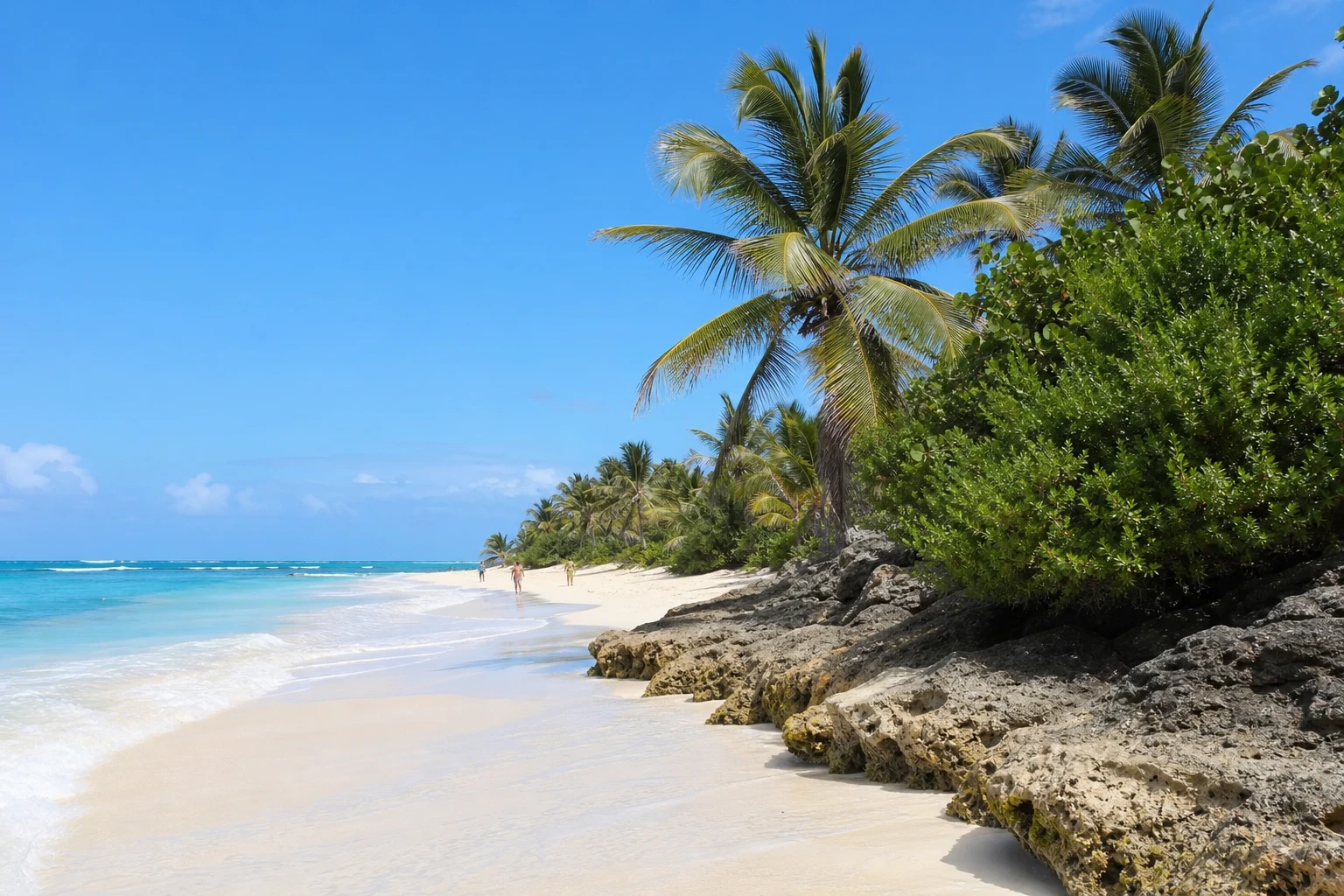
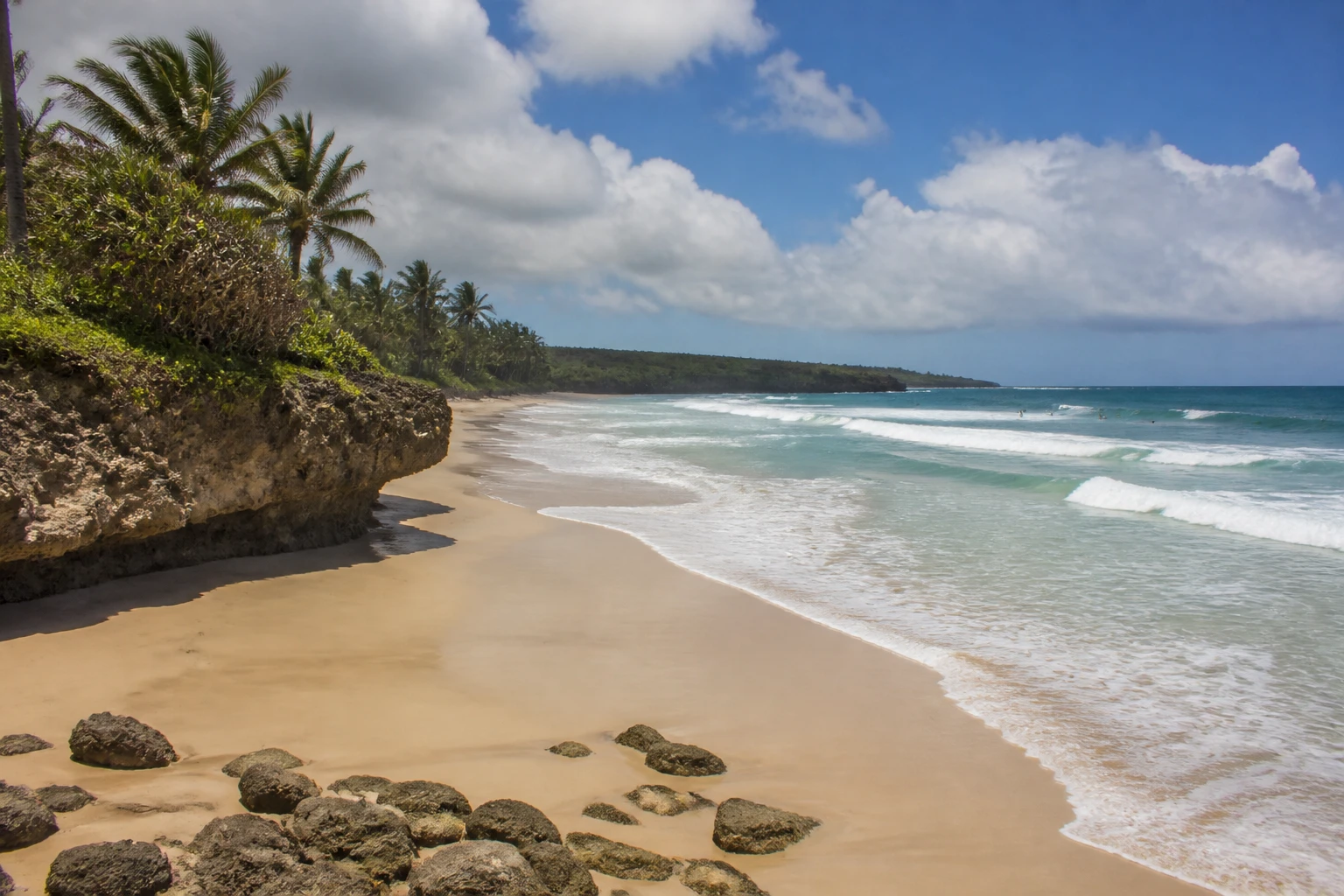
Playa Macao suits travelers who want a beach with a more natural setting and a visible connection to surfing. It is not an unknown stretch of coast, and visitors should not expect an empty shoreline. Its value lies in offering a different beach experience from the heavily resort-oriented sections of Punta Cana.
Treat a Macao outing as an independent beach day rather than assuming resort-style services. Parking arrangements, chair availability, surf-rental costs, lifeguard coverage, and accessible facilities should be checked locally. Bringing drinking water, sun protection, and only the beach equipment you can comfortably manage makes the plan more resilient.
The Macao Beach Punta Cana guide is the useful next step for readers building a beach-focused plan. Macao also sits farther from the airport than the Punta Cana and Cap Cana areas. Official estimates place the road transfer to Macao and Uvero Alto at about 45 minutes, although the actual journey depends on the starting point and traffic.
Private Punta Cana Airport Transfers Hotels in Dominican Republic
Why Choose The Punta Cana Airport Transfers? Experience the perfect combination of affordability and premium service for your Punta Cana airport trans...
Punta Cana Airport Private Transfers to Hotels
VIP Luxury Transportatin Punta Cana Airport Round Trip, or One Way to anywhere Punta Cana and Uvero Alto Area. Perfe...
VIP Private Round-Trip Transfer from Punta Cana Airport
At HQT Punta Cana, we provide more than just a ride — we deliver a seamless, premium transportation experience fro...
Private Transfer from Punta Cana Airport to Bavaro
We offer reliable airport transfers for very affordable prices safe transportation service in punta cana. private tr...
Macao works best when you appreciate it as an established natural beach, not as a promise of solitude or guaranteed facilities.

Playa Cabeza de Toro offers a family-oriented alternative
Playa Cabeza de Toro is another alternative to spending every beach day on the main resort strip. Official destination guidance describes it as family-friendly. That makes it worth considering when the goal is a simpler coastal outing rather than a surf-centered visit like Macao.
Family-friendly does not guarantee identical swimming conditions or supervision every day. Check conditions on arrival, keep children within close reach, and ask locally about lifeguard coverage before entering the water. Current information about parking fees, chair rentals, and accessible facilities is not consistent enough to build a visit around those services.
Cabeza de Toro and Macao serve different priorities. Choose Cabeza de Toro for a family-oriented beach option. Choose Macao for a natural setting associated with surfing. Pick Ojos Indígenas when freshwater lagoons and walking appeal more than another ocean day.
| Place | Best suited to | Main planning point |
|---|---|---|
| Ojos Indígenas | Nature walks and freshwater lagoons | Go early and confirm current admission details |
| Playa Macao | Natural coastal scenery and surfing | Do not assume resort-style facilities |
| Playa Cabeza de Toro | A family-oriented beach outing | Check water conditions and available services locally |

Buggy Tour in Punta Cana with Stops at the Beach and a Cave
Nature and Off-Road Adventure Tour Travelers will drive their own buggy along dirt trails, crossing muddy paths, hil...

Half Day Dominican Republic Cultural Tour : Small Group
It is the best way for travelers to get to know the Dominican Republic by sharing with the people who live in the co...
Sargassum can change the best beach plan
Check current conditions at the specific beach before leaving your hotel. On July 18, 2026, the Dominican Ministry of Environment announced a national environmental operation in the eastern region, including Punta Cana, in response to a massive presence of sargassum. That regional action does not mean every beach has identical conditions, but it makes same-day planning important.
Contact the hotel, beach club, or excursion operator responsible for the exact area you intend to visit. Ask about the shoreline rather than general Punta Cana conditions. Wind, currents, cleanup work, and location can produce different experiences along the coast. A beach that looked clear in an older photo or report may not reflect the day of your visit.
Keep an inland alternative ready. Ojos Indígenas is an obvious substitute, while a hotel pool can preserve a low-effort day. Decomposing sargassum can release gases associated with unpleasant odor, skin irritation, headaches, and respiratory problems. Avoid lingering beside heavy accumulations, especially if someone in your group develops symptoms.
Seasonal context also matters when shaping the rest of a trip. A Punta Cana weather-by-month guide can help with broader climate planning, but beach conditions still require a current, location-specific check close to the day of the outing.
Choose transportation around the places you want to see
Punta Cana International Airport is the practical arrival point for this region. Official tourism guidance estimates road transfers of about 15 minutes to Punta Cana and Cap Cana, 30 minutes to Bávaro, El Cortecito, and Arena Gorda, and 45 minutes to Macao and Uvero Alto. These estimates help show how widely the destination’s attractions are spread.
A rental car or prearranged driver makes sense if independent exploration is a major goal. Travelers staying mostly at one resort can avoid driving by using airport transfers, taxis, and organized excursions. Public transportation should not be treated as the easiest tourist solution for a tightly timed hidden-gems itinerary.
The guide to getting around Punta Cana without a car provides more detail for visitors who prefer transfers and drivers. Whichever method you choose, use authorized airport or hotel taxi services or a registered transportation provider. Confirm the pickup point, destination, and arrangement before getting into the vehicle.
- List the beaches and reserves you genuinely want to visit.
- Group places by area instead of crossing the region repeatedly.
- Choose a rental car, registered driver, or organized excursion.
- Confirm pickup details and the return plan before departure.
- Leave extra room for traffic, weather, and changing beach conditions.
Build a flexible one-day hidden-gems route
Do not force all three featured places into a rushed day. A better plan combines one primary destination with one flexible backup. Start early at Ojos Indígenas, then return for a pool afternoon or add a nearby activity only if time and energy allow. This approach respects the reserve’s entry schedule and reduces unnecessary driving.
For a beach-centered day, check sargassum conditions first and choose either Macao or Cabeza de Toro. Macao is the stronger fit for natural coastal scenery and surfing. Cabeza de Toro better fits a family-oriented outing. If conditions are poor, switch to the reserve or keep the day at your accommodation.
Travelers with limited time can also adapt the One Day in Punta Cana itinerary rather than collecting distant stops. The goal is to experience a different side of the area without spending most of the day inside a vehicle.
Still comparing Punta Cana Hidden Gems?
Ask for tour ideas, hotel suggestions, or a simple trip plan that combines both.
Trip Helper
Book adventure activities with care
A place can feel informal and still require careful booking decisions. Government travel advice cautions that adventure-tourism providers in the Dominican Republic may not meet UK safety standards. Do not assume every operator follows the same procedures simply because tours are sold in a major resort destination.
Before booking surfing, off-road travel, boating, or another adventure activity, examine the provider’s equipment, insurance arrangements, pickup details, and weather cancellation policy. Pay attention to age or health restrictions and check what the selected package actually includes. A polished sales desk is not a substitute for clear operating information.
This is especially relevant when a hidden-gems search leads to a remote beach or activity sold through an unfamiliar intermediary. Registered transportation and a clearly identified operator provide a stronger foundation than an improvised ride or vaguely described excursion.
Prepare for entry before flying
Complete the Dominican Republic electronic ticket before arriving at the airline counter. The tourism authority says many common visitor nationalities do not require a visa for tourism, but entry rules depend on the traveler’s passport and can change. Verify the requirements for your nationality before departure rather than assuming another traveler’s rules apply to you.

A broader collection of Punta Cana travel tips for first timers can help with arrival planning, but the essential preparation is straightforward: check passport-specific entry rules, complete the required electronic ticket, and arrange dependable airport transportation before the flight.
How to choose the right hidden gem
Choose Ojos Indígenas if your priority is nature, walking, and freshwater lagoons. Choose Macao if you want a more natural coastal setting with surfing. Choose Cabeza de Toro if a family-oriented beach feels like the better fit. None requires being framed as a secret to be worthwhile.
The main limitation is geography. Punta Cana’s beaches, resort districts, and natural attractions are spread across the region, so ambitious plans create more driving. Select one meaningful detour, arrange reliable transportation, and keep a backup for changing coastal conditions. That simple structure turns a list of hidden gems into a day that is practical, varied, and enjoyable.
Frequently asked questions
What are the best hidden gems in Punta Cana?
Ojos Indígenas Ecological Reserve, Playa Macao, and Playa Cabeza de Toro are three strong alternatives to a standard resort day. The reserve offers freshwater lagoons and walking, Macao has a more natural setting associated with surfing, and Cabeza de Toro is described as family-friendly.
Is Ojos Indígenas Ecological Reserve worth visiting?
Yes, especially for travelers who want an inland nature experience instead of another beach day. Published guidelines list limited entry times and an external visitor fee, so check current access details and visit early enough to avoid rushing.
Is Macao Beach a secret beach?
No, Macao is an established beach rather than an undiscovered place. Its appeal is its more natural setting and connection to surfing, but crowd levels and available services can vary.
Is Cabeza de Toro suitable for families?
Yes, official destination guidance describes Cabeza de Toro as family-friendly. Check water conditions and lifeguard coverage locally before swimming, since a family-friendly label does not guarantee identical conditions every day.
Do I need a car to explore Punta Cana’s lesser-visited places?
A car is not essential, but a rental vehicle or prearranged driver can simplify independent exploration. Visitors staying mostly at one resort can rely on authorized taxis, transfers, and organized excursions instead.
How should I plan around sargassum in Punta Cana?
Check conditions at the specific hotel or beach shortly before your outing and keep an inland or pool alternative ready. Beach-by-beach conditions differ, even during a major regional sargassum event.
What entry preparation is required for Punta Cana?
Travelers should complete the Dominican Republic electronic ticket before reaching the airline counter and verify passport-specific entry requirements before departure. Visa rules depend on nationality and can change.