Punta Cana Art and Culture Guide
Punta Cana rewards travelers who look beyond the resort schedule, but its cultural scene requires a little planning. This is primarily a beach-and-resort destination, not a museum-filled city with a central arts district. Its strongest cultural experiences are scattered among coastal communities, organized excursions, craft-shopping areas, and day-trip destinations.
The standout art experience is an underwater sculpture museum inspired by Taíno culture. On land, visitors can browse local crafts around Los Corales and Bibijagua, visit ChocoMuseo, or devote half a day or longer to Altos de Chavón. Together, these stops add historical context and creative texture to a vacation otherwise shaped by beaches and resorts.

Small Group: Half Day Punta Cana Cultural Tour
This tour is a great way to see the traditional side of the Dominican Republic. Many tourists only see the resort side of the country, but this tour s...

Half-day Cultural Tour in the City of Higüey
If you want to take a village bath, appreciate the beauty of nature and delight in the art in which the city of Higu...

Shared Half-Day Tour in Punta Cana with Local Guide
If you want to return home with a deeper understanding of the Dominican Republic, read on because our exclusive cult...

Buggy Kayo Tour IN PUNTA CANA
It's not just a buggy ride, it's an unforgettable adventure through the heart of Punta Cana! Your tour combines exci...
Punta Cana culture at a glance
- Treat culture as a series of targeted outings rather than a walkable museum itinerary.
- Prioritize the Igneri Caribe Taíno Underwater Museum if you are comfortable snorkeling.
- Browse crafts in Los Corales or Bibijagua, but ask sellers about materials and who made each piece.
- Reserve half a day or a full day for Altos de Chavón, depending on transport and your pace.
- Confirm event dates, marine conditions, schedules, prices, and accessibility arrangements before setting out.
How to understand the cultural landscape
Dominican culture reflects Taíno, African, European, and later migrant influences. That broad history cannot be reduced to one sculpture, shop, performance, or meal. A thoughtful cultural itinerary leaves room for several perspectives and distinguishes contemporary interpretations from original historical objects.
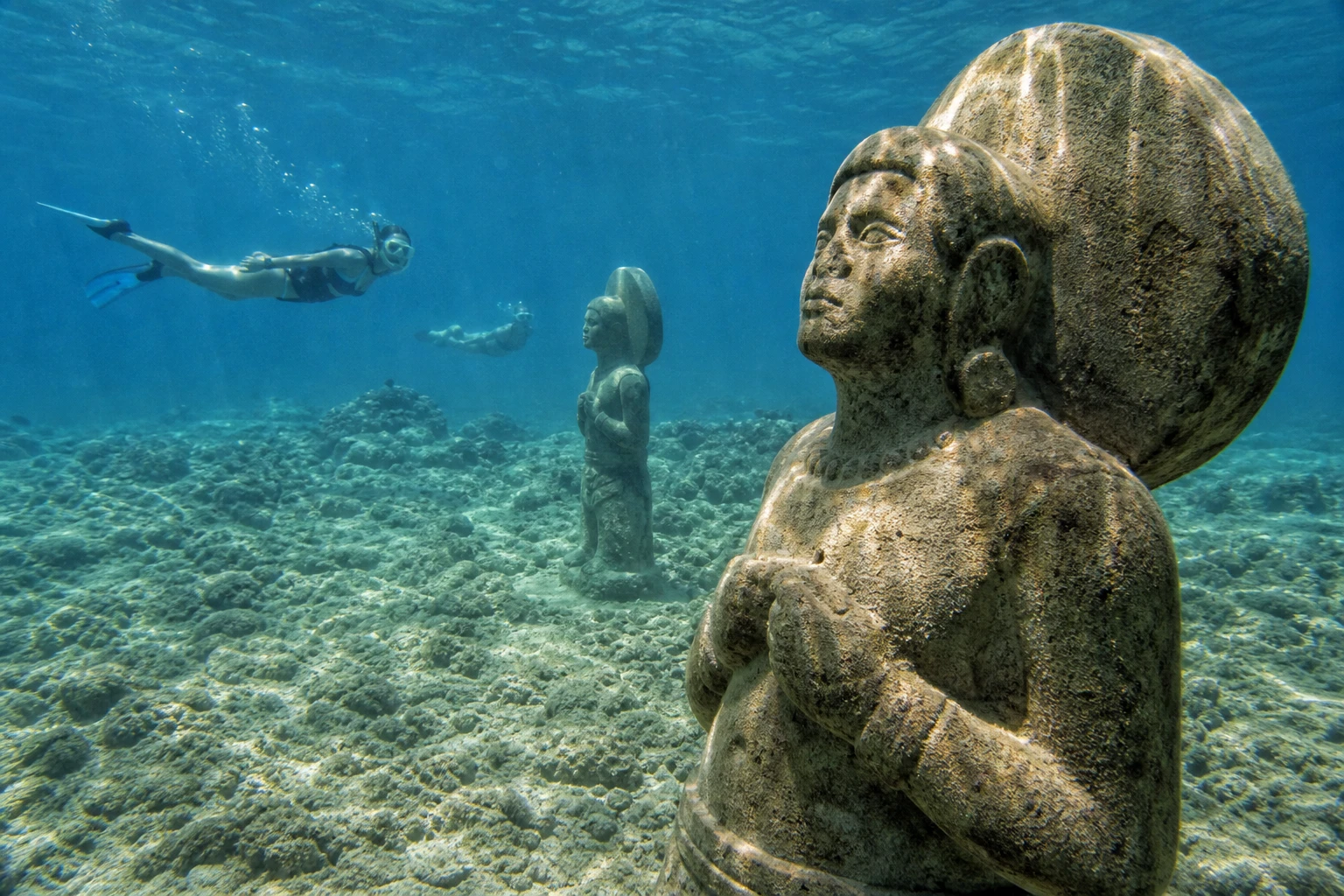
Taíno heritage is especially important to understand with care. Across the Dominican Republic, Indigenous history can be encountered through pictographs, petroglyphs, museums, and modern cultural interpretation. Punta Cana’s underwater sculptures belong to the last category. They are contemporary artworks inspired by Taíno figures, not archaeological artifacts recovered from the sea.
This distinction makes the experience more interesting, not less. Visitors can appreciate the artist’s interpretation while recognizing that a themed installation is different from an archaeological site. If Indigenous history becomes a major interest during your trip, consider building a broader Dominican itinerary around museums and documented heritage places elsewhere in the country.
Snorkel through the Igneri Caribe Taíno Underwater Museum
The Igneri Caribe Taíno Underwater Museum is Punta Cana’s clearest art-focused attraction. Located between Playa Blanca and Playa Serena, the submerged installation contains 22 Taíno-figure sculptures by Dominican artist Thimo Pimentel. The figures sit at depths of about 3 to 7 meters, or 10 to 23 feet, turning the sea itself into the exhibition space.
The tourism board describes these depths as suitable for beginners, but the visit still depends on snorkeling, water entry, and acceptable marine conditions. Beginner-friendly depth does not guarantee that the activity suits every swimmer or traveler. Ask the operator about required swimming ability, flotation equipment, supervision, water access, and the plan if conditions change.
A Punta Cana snorkeling tours guide can help travelers understand the wider range of boat and water-based outings before choosing this museum experience. Read the selected package carefully because departure points, transportation, equipment, duration, and other inclusions can vary. Check the booking confirmation before arranging the rest of the day.
What to bring for the underwater art experience
- Swimwear and a dry change of clothes
- A towel if the selected excursion does not provide one
- Sun protection suitable for a day around the water
- A secure strap or case for any permitted camera equipment
- Water and any personal medication you normally carry
- Your booking details and confirmed meeting-point information
Avoid treating the sculptures as climbing surfaces or props. Follow the guide’s instructions, keep a comfortable distance, and focus on observing the installation as a complete composition. Travelers who do not want to snorkel should choose a land-based cultural stop instead, since this is not a conventional gallery with a dry viewing area.
Shop for local crafts in Los Corales and Bibijagua
Los Corales and Bibijagua are the principal areas highlighted for local craft shopping in the Punta Cana destination. They make an easy cultural addition to a beach or dining day, especially for travelers who do not want to commit to a long excursion. Expect shopping to be a browsing experience rather than a formal museum visit.
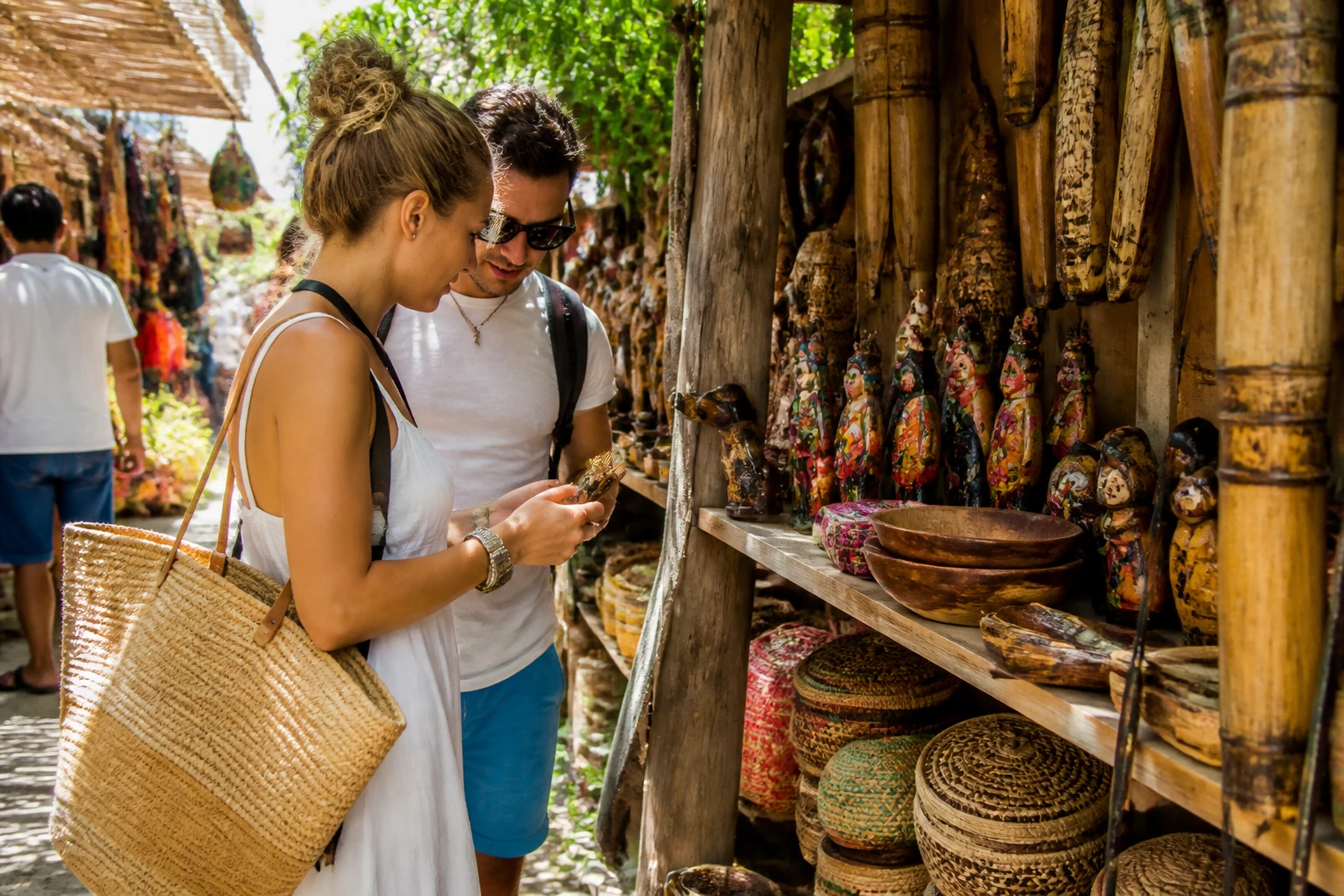
Look slowly and ask simple questions: Who made the item? Where was it produced? What materials were used? Is the artist or workshop identified? These questions help separate a meaningful purchase from an anonymous souvenir. They also create an opening for conversation without assuming every object is handmade locally.
Before buying, inspect seams, fastenings, painted surfaces, and fragile edges. Confirm the total price and accepted payment method before the transaction. If an object is delicate, ask for protective wrapping and consider how it will fit in your luggage. Travelers flying internationally should also check applicable customs rules for natural materials before purchasing them.
Los Corales sits within the broader Bávaro visitor area. A Bávaro travel guide is useful for pairing craft browsing with a meal, beach time, or another nearby stop. Keep the outing compact rather than cramming several distant attractions into the same afternoon.

Half Day Dominican Republic Cultural Tour : Small Group
It is the best way for travelers to get to know the Dominican Republic by sharing with the people who live in the co...

Punta Cana VIP Buggy Tour: Cave, Macao Beach & Free Pick-Up
Our journey begins as you take the wheel of our powerful Offroad VIP Predator, ready to conquer the rugged terrain o...

Punta Cana: Private Half-Day Dominican Culture Tour
Step outside your resort and discover everyday life in the Dominican Republic on a private half-day tour for all age...
Add ChocoMuseo to a relaxed cultural day
ChocoMuseo is among the cultural attractions identified for the Punta Cana area. It offers another option for travelers who prefer an indoor, food-connected experience over a water activity. Because programs and operating details can change, check the current schedule and any reservation requirements before visiting.
A chocolate-focused stop works well beside craft shopping because both encourage attention to process, materials, and local presentation. Give yourself time to read displays and ask questions rather than treating the visit solely as a retail stop. If you plan to buy chocolate, consider how long it will remain in a warm vehicle before returning to your accommodation.
Travelers who want culture through flavor can also compare options in a guide to Punta Cana food tours. Food does not replace historical interpretation, but a well-planned culinary activity can add context through ingredients, preparation methods, and conversation. Review the itinerary in advance to see whether the experience is primarily educational, social, or focused on tastings.
Plan an Altos de Chavón cultural day trip
Altos de Chavón is the strongest clearly identified off-resort cultural excursion in the official Punta Cana destination listing. It lies in the La Romana area, reached from Punta Cana via the Coral Highway. The tourism board describes La Romana attractions as under an hour from Punta Cana beaches, though actual door-to-door timing depends on your starting point and transport arrangements.
Treat this as a half-day or full-day choice rather than a quick add-on. The longer format gives you more breathing room for transport, exploration, and a meal. A dedicated Altos de Chavón day trip from Punta Cana guide can help organize that excursion without squeezing it between resort activities.
Before departure, confirm current admission arrangements, opening times, the exact pickup point, and what your transport or tour includes. Travelers driving independently should also confirm parking and navigation details. These practical checks matter because a regional day trip has more moving parts than browsing crafts near the resort corridor.
Compare the main art and culture options
| Experience | Best suited to | Main planning issue |
|---|---|---|
| Igneri Caribe Taíno Underwater Museum | Comfortable snorkelers interested in contemporary art and Taíno-inspired imagery | Marine conditions, swimming requirements, transport, and package inclusions |
| Los Corales or Bibijagua crafts | Travelers seeking a flexible shopping stop | Confirm the maker, materials, total price, and payment method |
| ChocoMuseo | Visitors interested in a food-connected cultural activity | Check the current schedule and reservation arrangements |
| Altos de Chavón | Travelers willing to reserve half a day or longer | Transport, admission, opening times, and door-to-door timing |
For the widest range of experiences, combine one short local stop with one signature excursion. Craft browsing and ChocoMuseo can form the lighter part of the plan. The underwater museum or Altos de Chavón can serve as the main event, depending on whether you prefer snorkeling or a land-based day trip.

Build a one-day cultural itinerary
- Begin with a prearranged cultural excursion, choosing either the underwater museum or Altos de Chavón.
- Leave a buffer after the excursion for transport delays, changing marine conditions, or a slower meal.
- Spend the later part of the day browsing crafts in Los Corales or Bibijagua.
- Finish with dinner in the same general area rather than adding another long transfer.
- Review the next day’s pickup or meeting details after returning to your accommodation.
Do not attempt both the underwater museum and Altos de Chavón on the same day unless a specific operator offers a realistic combined plan. Each experience deserves enough time to manage transport and enjoy the visit without watching the clock. A broader one day in Punta Cana itinerary can help balance cultural interests with beach time when your stay is brief.
Still comparing Punta Cana Art And Culture?
Ask for tour ideas, hotel suggestions, or a simple trip plan that combines both.
Trip Helper
Choose the best season and time of day
Punta Cana stays warm throughout the year. December through April is described as the driest season, and both that period and summer are peak travel times. The tradeoff is straightforward: the drier months can be attractive for excursions, but popular periods can also bring stronger demand for transport and activities.
Use a Punta Cana weather by month guide to place those broad patterns in the context of your travel dates. For snorkeling, the day’s sea conditions matter more than a seasonal average, so confirm the trip with the operator close to departure. For land-based stops, choose timing that avoids an unnecessary rush between hotel pickup, meals, and other reservations.
Event calendars and operator schedules can change, so build the itinerary around confirmed dates rather than assumptions. If a performance, workshop, or temporary exhibition is central to your trip, verify it before committing to transportation. A flexible backup such as craft shopping can rescue the day if a weather-dependent activity changes.
Arrange transportation without wasting the day
Punta Cana International Airport is the usual arrival point, and many resorts are a short drive from it. Airport transfers, taxis, and rental cars are the principal listed options. Cultural sites are dispersed, so prearranged transportation generally creates less friction than trying to assemble the day one ride at a time.
A Punta Cana airport-to-resort transportation guide is useful for settling the first transfer before planning excursions. Once at the hotel, compare an organized pickup with a private transfer or rental car. Consider the full route, including waiting time and the return journey, rather than judging an option only by its outbound fare.
Taxis are available outside Customs at the airport, according to a third-party airport information site. Its broad estimate for Punta Cana-area hotels and resorts ranges from US$10 to US$80, but this is not an official tariff and can change. Confirm the destination and fare before departure, or arrange the price through your hotel or transport provider.
For independent days, a guide to getting around Punta Cana without a car can help compare practical transport approaches. Public-transit routes, frequencies, and accessibility details are not established here, so do not build a time-sensitive cultural itinerary around an unconfirmed connection.
Plan for accessibility and individual needs
Travelers who need step-free access, adapted transportation, accessible restrooms, sensory accommodations, beach-entry assistance, or service-animal access should contact each venue and operator before booking. Accessibility varies by the physical setting and the selected excursion, and broad destination descriptions cannot answer venue-specific questions.
Ask precise questions tied to your needs. Useful topics include the distance between drop-off and entrance, surface materials, stairs, handrails, restroom layout, seating, shade, transfer assistance, and space for mobility equipment. For the underwater museum, also ask how guests enter and leave the water and whether non-snorkeling companions have a suitable waiting arrangement.
Share essential requirements before payment rather than waiting until pickup. Then check the confirmation to ensure the selected transport, meeting point, and activity match what was discussed. If a water excursion is unsuitable, craft shopping, ChocoMuseo, or a carefully arranged land excursion may offer a more practical cultural day.

Private Punta Cana Airport Transfers Hotels in Dominican Republic
Why Choose Our Punta Cana Airport Transfers? Experience the perfect combination of affordability and premium service...

Punta Cana Airport Private Transfers to Hotels
VIP Luxury Transportatin Punta Cana Airport Round Trip, or One Way to anywhere Punta Cana and Uvero Alto Area. Perfe...
Half Day Dominican Republic Cultural Tour : Small Group
It is the best way for travelers to get to know the Dominican Republic by sharing with the people who live in the co...
Practice respectful cultural travel
Approach cultural imagery with curiosity rather than turning it into costume or decoration. Use the names supplied by artists, guides, and interpreters. At the underwater museum, remember that the figures are contemporary works inspired by Taíno culture. At shops, ask about makers without pressuring a seller to produce a dramatic story about an object.
Ask before photographing artists, vendors, guides, or private workspaces. If bargaining is part of a particular sales setting, keep the exchange friendly and accept a clear refusal. Buying fewer objects with a known maker or workshop can produce a more memorable collection than filling a suitcase with items whose origins are unclear.
Is Punta Cana worthwhile for art and culture?
Punta Cana works best for travelers who want to add focused cultural experiences to a beach vacation. The underwater museum offers an unusual meeting of contemporary sculpture and snorkeling, while local craft areas and ChocoMuseo provide shorter outings. Altos de Chavón gives travelers a more substantial land-based excursion beyond the resort corridor.
The main limitation is distance between experiences. There is no single central arts district that neatly connects everything on foot. Choose one priority, arrange transportation, and leave enough space to engage with it. That simple plan turns culture into a meaningful part of the trip instead of a hurried break between resort activities.
Frequently asked questions
Does Punta Cana have an arts district?
Punta Cana is not known for a large, walkable arts district. Its cultural experiences are dispersed among craft-shopping areas, ChocoMuseo, the underwater sculpture museum, and regional day-trip destinations such as Altos de Chavón.
What is the main art attraction in Punta Cana?
The Igneri Caribe Taíno Underwater Museum is the clearest art-specific attraction. It contains 22 Taíno-figure sculptures by Dominican artist Thimo Pimentel at depths of approximately 3 to 7 meters between Playa Blanca and Playa Serena.
Are the underwater museum sculptures original Taíno artifacts?
No. They are contemporary sculptures inspired by Taíno figures, not original archaeological artifacts. Visitors interested in Indigenous history should keep that distinction in mind when interpreting the installation.
Can beginners visit the underwater museum?
The sculpture depths are described as suitable for beginners, but visitors still need to account for swimming ability, water entry, and marine conditions. Confirm requirements, equipment, supervision, and the day’s conditions with the operator.
Where can I shop for local crafts in Punta Cana?
Los Corales and Bibijagua are the principal craft-shopping areas highlighted for Punta Cana. Ask who made an item, where it was produced, and which materials were used before buying.
How much time should I allow for Altos de Chavón?
Plan Altos de Chavón as a half-day or full-day excursion. Door-to-door timing depends on your starting point, traffic, transport arrangement, and how long you spend at the destination.
What is the best time of year for cultural excursions in Punta Cana?
December through April is generally the driest period, though it is also part of a peak travel season. Punta Cana remains warm year-round, and travelers should confirm event schedules and marine conditions close to their visit.
Are Punta Cana cultural attractions wheelchair accessible?
Accessibility must be confirmed with each attraction, hotel, and excursion operator before booking. Ask about step-free routes, restrooms, adapted transport, seating, surface conditions, and water-entry arrangements where relevant.
Punta Cana: Private Half-Day Dominican Culture Tour
Step outside your resort and discover everyday life in the Dominican Republic on a private half-day tour for all ages. The journey is part of the expe...

Saona Island Speedboat Tour with Altos de Chavón from Punta Cana
This activity seeks to offer travelers the combination of fun with culture, since we combine the visit to Altos de C...

#1 HipHop Party Boat Punta Cana, Dj Live -Adults Only- Free Drink
Imagine a day under the Caribbean sun, sailing in crystal clear waters, with the sea breeze caressing your face and...

Punta Cana Exclusive Hip Hop Party Boat Vibes Adult With Open bar
Join the most exclusive Hip-hop party on the ocean! Aboard a catamaran, we bring you a one-of-a-kind experience: a f...
Experiences to explore
 Explore experience ↗
Shopping Tour Punta Cana Fashion craft and unforgettable memories
◷ 3 hr
Make your Punta Cana vacation unforgettable by taking a little bit of the Caribbean home! With our shopping tour you will discover the
See dates for Current pricing
View dates Explore experience ↗
Saona Island Speedboat Tour with Altos de Chavón from Punta Cana
◷ 10 hr
This activity seeks to offer travelers the combination of fun with culture, since we combine the visit to Altos de Chavón with the excu
See dates for Current pricing
View dates Explore experience ↗
Altos de Chavón Half Day Tour from Bavaro Punta Cana
◷ 5 hr 15 min
You will visit Altos de Chavón which is a medieval town in Casa de Campo, where you will be visiting its beautiful viewpoint to the Cha
See dates for Current pricing
View dates