Punta Cana Beach Vacation Guide
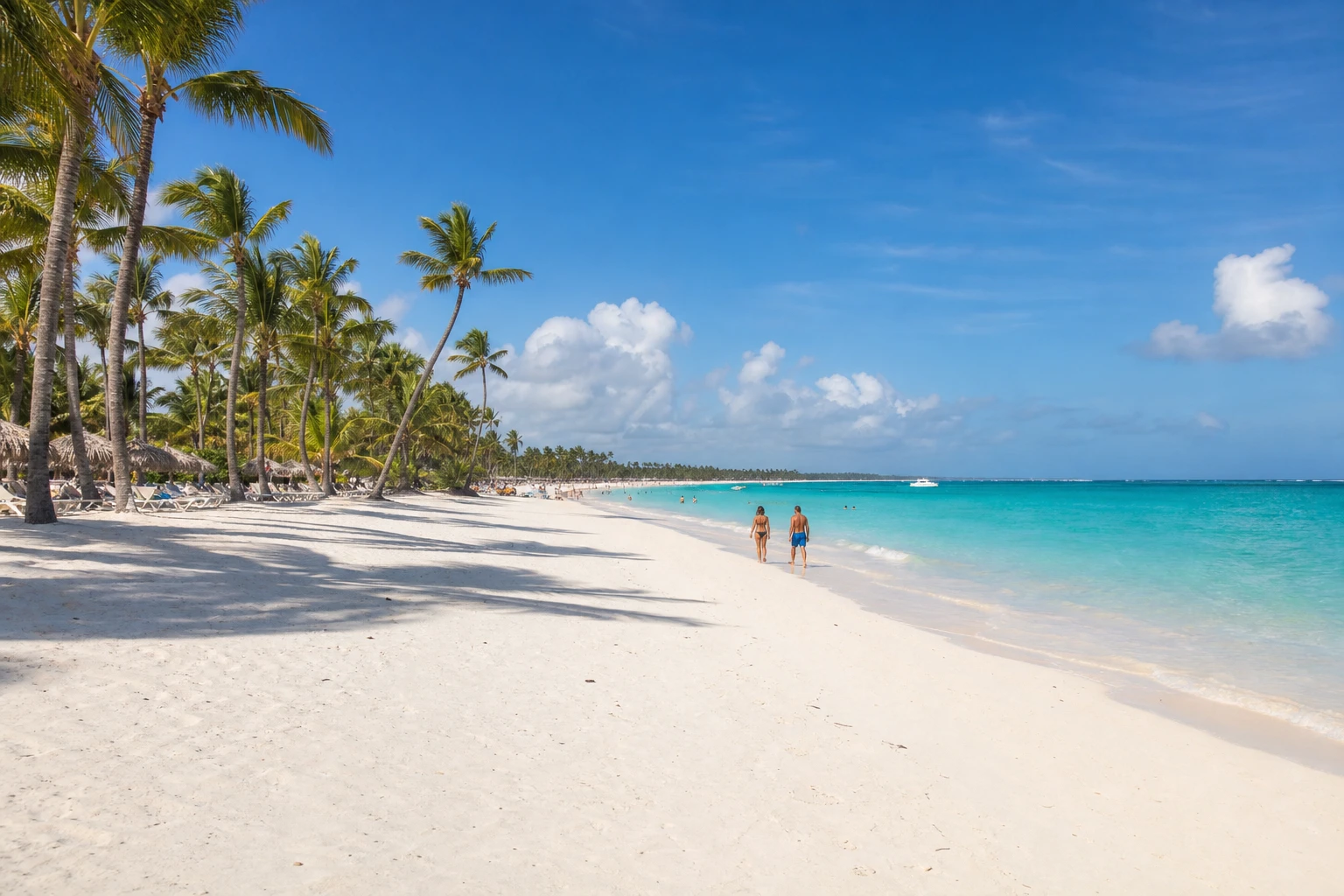
Punta Cana pairs warm tropical weather with more than 50 kilometers of white-sand coastline. Much of the destination is organized around beachfront resorts, but each coastal area has a different character. Bávaro emphasizes resort convenience, Macao offers a more natural setting associated with surfing, Juanillo is known for calmer water, and Cabeza de Toro is presented as family-friendly. Choosing the right base is the most important decision you will make.
- Choose your beach area before comparing hotels. Bávaro, Macao, Juanillo, and Cabeza de Toro suit different vacation styles.
- Expect warm tropical conditions throughout the year, with listed temperatures generally ranging from 77 to 90°F (25 to 32°C).
- Arrange your airport transfer before arrival unless you plan to use a taxi or rent a car at the airport.
- Compare total trip costs using live quotes for your dates rather than relying on a destination-wide average.
- Leave some open time for the beach instead of filling every day with excursions.
- Check current airline and airport instructions shortly before travel, especially while Terminal A improvement work continues.
Start by choosing the right Punta Cana beach area
The name Punta Cana covers a broad resort region rather than one compact beach district. A hotel that looks close on a destination map can feel removed from the restaurants, beach setting, or activities you pictured. Begin with the atmosphere you want, then compare properties inside that area. The broader Best Beaches in Punta Cana guide is useful when you want to review the main coastal choices before narrowing your hotel search.

Buggy Tour in Punta Cana with Stops at the Beach and a Cave
Nature and Off-Road Adventure Tour Travelers will drive their own buggy along dirt trails, crossing muddy paths, hills, and breathtaking landscapes. T...

Private Party Boat Cruise: Sound System, Open Bar, Natural Pool
Set sail aboard a double-decker catamaran in the Caribbean Sea, beginning with hotel pickup in Punta Cana in the mor...

Beach Sunset on Horse Riding in Punta Cana Private Option
We have different options Private For special times such as anniversaries, marriage proposals, birthdays, honeymoon...

Saona Island Day Trip From Punta Cana with Lunch and Open Bar
Explore the remarkable Altos de Chavon and dig your toes in the sand of Saona Island during this full-day excursion...
| Beach area | Best fit | Planning consideration |
|---|---|---|
| Bávaro | Travelers who value beachfront resorts and a resort-centered stay | This is the principal resort zone, so the hotel and its immediate surroundings will shape much of the trip. |
| Macao | Travelers interested in a more natural, surfing-oriented setting | Look closely at transportation and nearby services when comparing it with larger resort zones. |
| Juanillo | Travelers prioritizing a beach identified with calmer water | Compare the exact location and access arrangements of the property you are considering. |
| Cabeza de Toro | Families looking at a tourism area described as family-friendly | Check each resort's room layout, facilities, and beach access rather than relying on the area label alone. |
| Bibijagua and Los Corales | Visitors interested in beachfront atmosphere and local crafts | Consider these areas when you want some time beyond the boundaries of a resort. |
Bávaro for a resort-centered vacation
Bávaro is the clearest starting point for travelers who want a beachfront hotel to serve as the center of the vacation. The area is identified as Punta Cana's main resort zone, with beachfront properties playing a major role in the experience. Read the Bávaro Beach Guide for First Timers if this area is at the top of your list, then compare hotels by beach access, room type, meal plan, and the services you will actually use.
Macao for a less resort-centered setting
Macao is the stronger match when a more natural coastal setting and a connection with surfing matter more than being surrounded by large beachfront resorts. That does not guarantee specific waves, crowd levels, or services on the day you visit. Use the Macao Beach Punta Cana Guide to think through a focused visit, and confirm transportation before leaving your accommodation if you are not driving.
Juanillo and Cabeza de Toro for specific priorities
Juanillo stands out for water described as calmer, while Cabeza de Toro is characterized as family-friendly. Those distinctions help narrow the search, but conditions and hotel facilities still vary. The Juanillo Beach Punta Cana Guide can help you examine that area in more detail. Families should also compare shade, walking distances, bathroom access, room arrangements, and age rules for any planned activities before booking.
Decide between an all-inclusive resort and a more flexible stay
An all-inclusive resort can simplify a beach vacation because accommodation, meals, and many on-property services are grouped into one booking. The tradeoff is that a resort-centered plan can reduce the incentive to explore other beaches and local dining areas. A room-only or limited-meal arrangement provides more flexibility, but it requires more decisions about transportation, meals, and daily spending.
Use the Punta Cana All-Inclusive Resort Guide when comparing meal plans and property styles. Do not compare resorts only by the headline rate. Check which meals, drinks, activities, transfers, taxes, and room categories are included in the quote. Prices vary by travel date, stay length, property, room type, and booking terms, so current quotes are more useful than a single average.
Match the hotel to the vacation you will actually take
A large activity list has little value if you intend to spend most days reading beside the water. Likewise, a secluded property can become inconvenient if you hope to eat away from the resort every evening. Rank your priorities before opening booking sites: beach access, room setup, dining plan, pools, evening atmosphere, accessibility, and transportation. This short list makes it easier to ignore features that photograph well but add little to your trip.
- Confirm whether your room category matches the bed arrangement and view you selected.
- Read the meal-plan description carefully, including any reservation rules or exclusions.
- Check how far your room could be from the beach, dining areas, and lobby.
- Review cancellation terms before paying, especially when flights and rooms are booked separately.
- Ask about step-free routes, adapted bathrooms, or beach access before booking if these are essential.

Punta Cana: El Dorado Water Park Entry Ticket with Transportation
Make your vacation even more unforgettable with a day at the Caribbean's largest water park, located in Cap Cana. W...

Half Day Dominican Republic Cultural Tour : Small Group
It is the best way for travelers to get to know the Dominican Republic by sharing with the people who live in the co...
Saona Island Day Trip From Punta Cana with Lunch and Open Bar
Explore the remarkable Altos de Chavon and dig your toes in the sand of Saona Island during this full-day excursion...
Choose travel dates around heat, demand, and your priorities
Punta Cana is a year-round warm tropical destination, with official tourism information listing temperatures of 77 to 90°F (25 to 32°C). December through April and the summer are identified as peak seasons. Those periods can bring greater demand, so travelers with fixed dates should reserve the accommodation and room category they want rather than assuming the same choice will remain available.
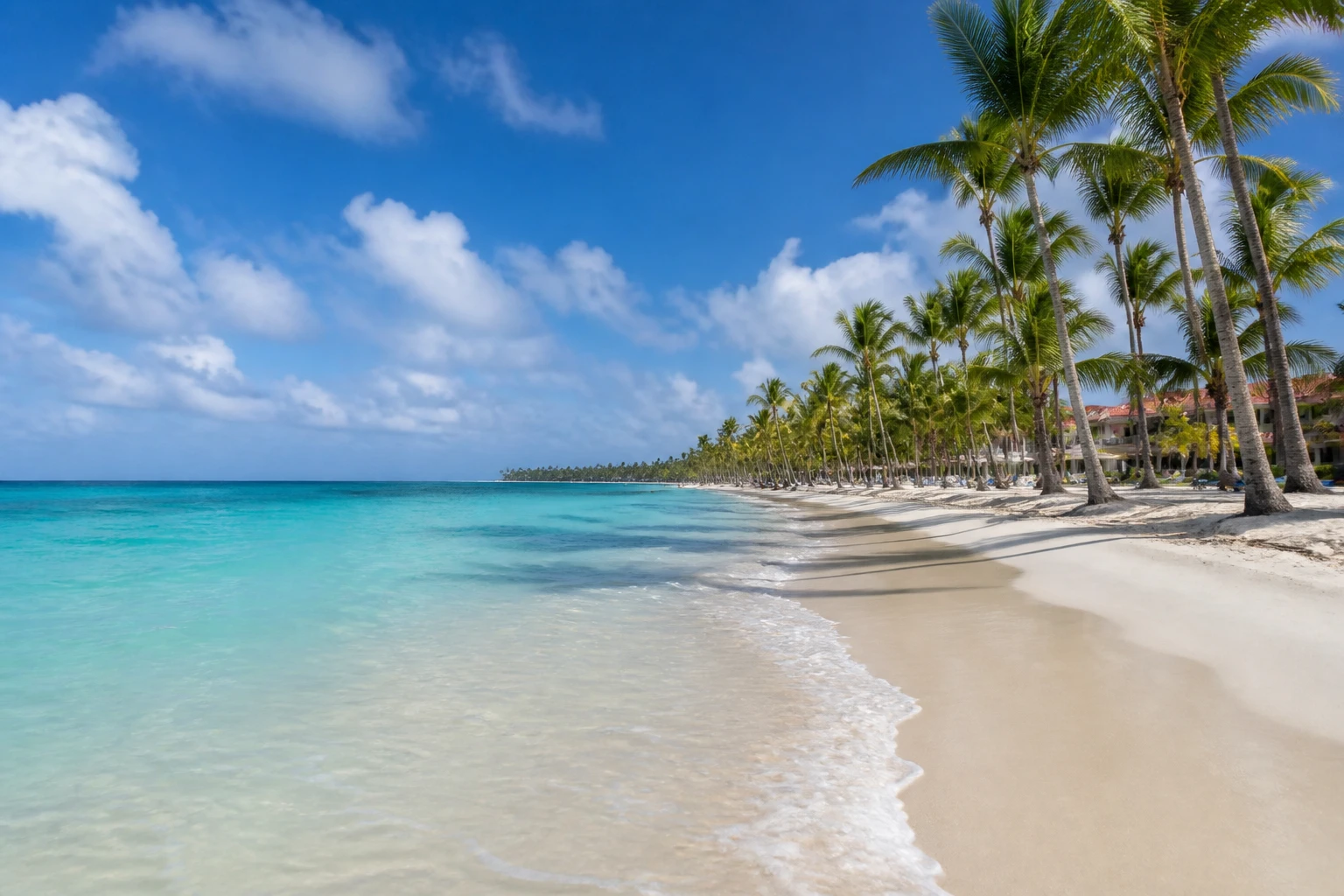
Temperature alone does not tell you how a day will feel on the beach. Sun exposure, cloud cover, rain, humidity, and wind all influence comfort and water-based plans. Consult the Punta Cana Weather by Month guide when choosing dates, then check a short-range forecast near departure. Pack for tropical warmth while leaving enough flexibility to move a beach afternoon or excursion if conditions change.
Build a schedule that still feels like a vacation
Plan demanding activities on separate days and protect at least one unstructured beach block. A simple rhythm works well: one active day, one slower day, then another outing if energy and weather cooperate. Keep the first evening easy after your flight. On the final day, avoid a distant activity that could complicate airport timing. A beach vacation becomes surprisingly tiring when every sunrise comes with a pickup window.
Plan the airport transfer before you fly
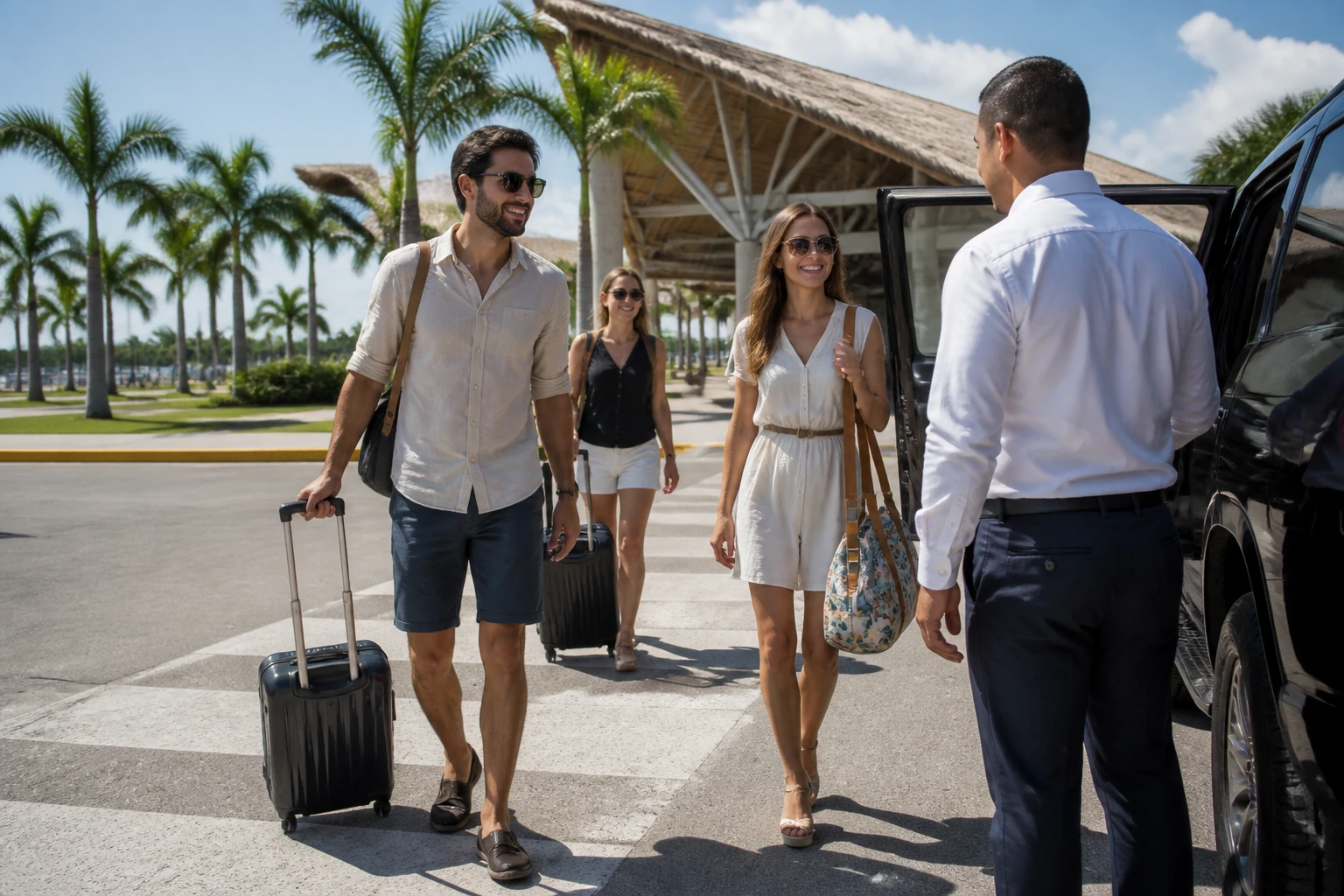
Punta Cana International Airport, identified by the code PUJ, is the main arrival airport for the resort area. The airport places East Coast hotels approximately 10 to 40 minutes away by road, though the actual trip depends on the property's location and traffic. Prearranged transfers, taxis, and on-site rental cars are available. The Punta Cana Airport to Resort Transportation Guide can help you compare those options before arrival.
- Confirm which airport terminal your airline will use.
- Save your hotel name and transfer details where you can access them without mobile data.
- If using a prearranged transfer, review the meeting instructions in your confirmation.
- If taking a taxi, confirm the destination before departure.
- If renting a car, review the pickup procedure and your property's parking arrangements in advance.
Travelers flying in July 2026 should pay particular attention to terminal instructions. PUJ partially resumed check-in operations in Terminal A on July 15 while improvement work continued. Check both airline and airport guidance shortly before departure, and allow the arrival time recommended by your carrier. A worldwide U.S. State Department caution dated July 22, 2026 also notes the potential for flight changes or cancellations in the current international security environment.
Rent a car only when it improves your plan
PUJ has on-site rental-car agencies, but a car is not automatically necessary for a resort stay. Compare the cost and effort of renting against the number of independent trips you expect to make. Travelers who plan to remain mostly at one property can favor transfers and taxis. Those arranging several self-directed outings can investigate a rental, provided they are comfortable navigating and have confirmed parking at their accommodation.
For local planning beyond the airport, How to Get Around Punta Cana Without a Car covers the subject in greater depth. Public bus information should be checked directly before relying on it. The airport currently lists an APTRA departure point in Verón for Punta Cana to Santo Domingo service, but that intercity route should not be treated as a substitute for a hotel transfer.
Still comparing Punta Cana Beach Vacation Planning?
Ask for tour ideas, hotel suggestions, or a simple trip plan that combines both.
Trip Helper
Create a realistic budget without relying on a single average
There is no useful one-size-fits-all price for a Punta Cana vacation. Flights, resorts, taxis, rental cars, and excursions change with dates, property level, room type, package structure, and group size. Build your estimate with live quotes for the same dates and traveler count. Compare the total payable amount and inclusions rather than mixing a bare room rate with an all-inclusive package.
Use five budget categories
- Transportation to Punta Cana, including flights and luggage charges.
- Accommodation, taxes, meal plan, and any property-specific extras shown during booking.
- Airport transfers, taxis, or rental-car costs.
- Meals and drinks not covered by the accommodation plan.
- Excursions, tips, shopping, and a buffer for changes.
Run two totals if you are undecided about an all-inclusive stay. In the first, use the complete resort quote and add transportation plus off-property activities. In the second, combine a different accommodation plan with realistic meal and local transportation allowances. The cheaper room does not always produce the cheaper trip, while a larger package is not good value if you will spend most days elsewhere.
Balance beach time with a few well-chosen activities
Choose outings because they add something distinct to the trip, not because every open day needs an appointment. First-time visitors can use Best Things to Do in Punta Cana for First-Time Visitors to shortlist possibilities, then compare the total duration, pickup area, physical demands, cancellation terms, and exact inclusions. Leave breathing room around any activity with hotel transportation, since pickup windows and return times vary by provider and location.
Water-based outings deserve especially careful planning. Review the activity description for swimming ability, age or health restrictions, equipment, food, transportation, and weather policies. If snorkeling or diving is important, avoid booking several nonrefundable water activities on consecutive days. A flexible schedule gives you room to respond to changing conditions without losing every major plan at once.
Keep one day deliberately simple
A satisfying free day needs very little structure. Start early if you prefer a cooler walk, settle into a shaded spot, take a long lunch, and decide later whether you want another swim or a change of scenery. If local crafts and a beachfront atmosphere appeal to you, Bibijagua and Los Corales are areas highlighted for those qualities. Confirm transportation back to your hotel before lingering into the evening.
Pack for tropical warmth and long beach days
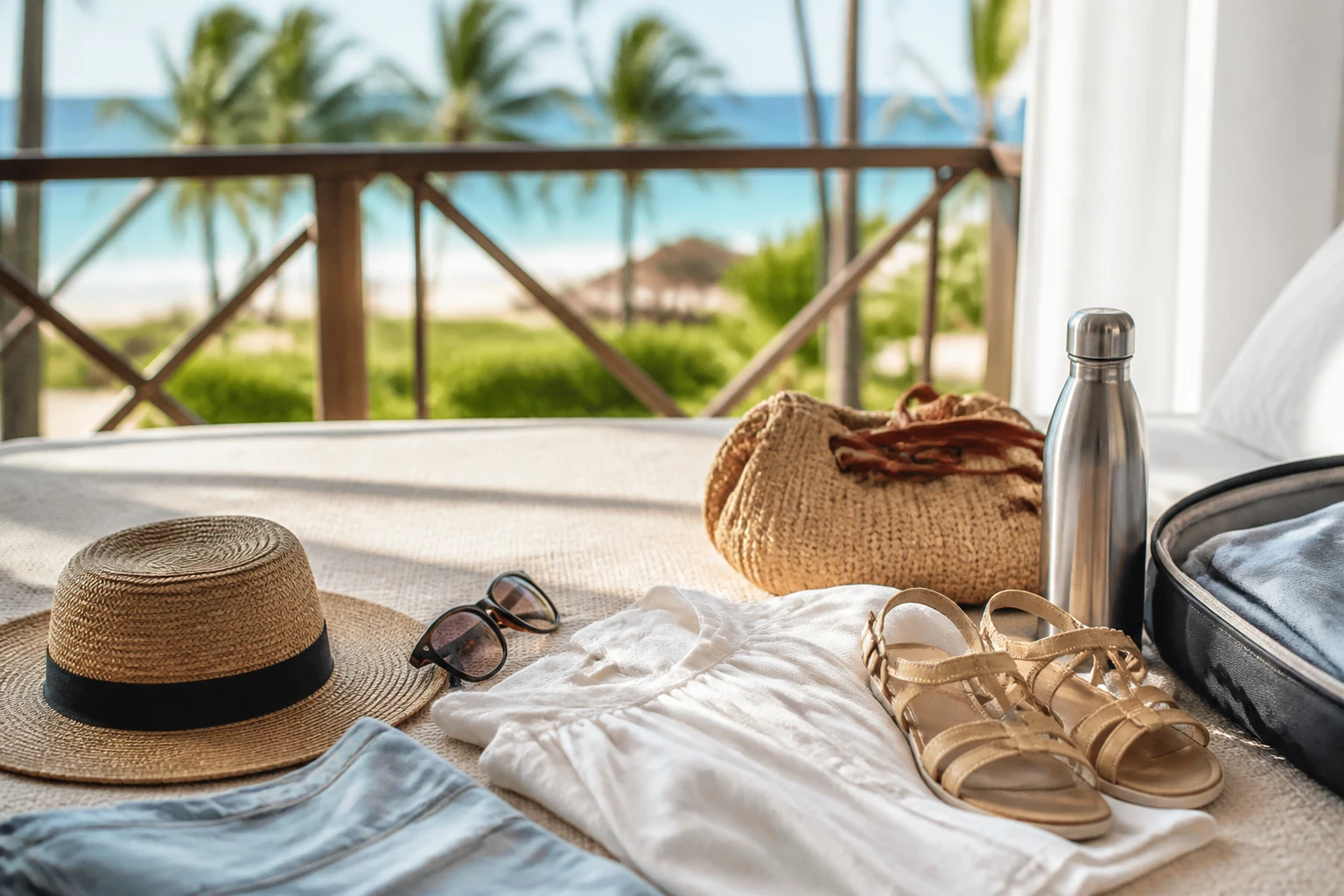
Light clothing forms the core of a Punta Cana packing list, but sun and water protection deserve equal attention. Bring swimwear, a cover-up, a hat, sunglasses, comfortable sandals, and footwear suitable for any planned outing. Add a reusable water bottle, personal medication, charging equipment, and a small day bag. A light rain layer is useful when the forecast calls for unsettled weather.
- Swimwear and a dry change of clothes
- Broad-brimmed hat, sunglasses, and preferred sun protection
- Comfortable walking shoes plus beach footwear
- Medication and copies of essential travel details
- Water-resistant pouch for small valuables
- Light layer for air-conditioned interiors and a compact rain layer when appropriate
Check your airline's baggage rules before packing large liquids or sports equipment. If you have a tightly scheduled arrival, place one set of beach clothes and essential medication in your carry-on. Keep valuable jewelry to a minimum. This lightens the packing list and supports the broader recommendation to avoid displaying conspicuous valuables in public.

Private Punta Cana Airport Transfers Hotels in Dominican Republic
Why Choose The Punta Cana Airport Transfers? Experience the perfect combination of affordability and premium service...

Punta Cana Airport Private Transfers to Hotels
VIP Luxury Transportatin Punta Cana Airport Round Trip, or One Way to anywhere Punta Cana and Uvero Alto Area. Perfe...
Buggy Tour in Punta Cana with Stops at the Beach and a Cave
Nature and Off-Road Adventure Tour Travelers will drive their own buggy along dirt trails, crossing muddy paths, hil...
Confirm accessibility across the whole journey
Punta Cana International Airport provides priority lines for people with reduced mobility and travelers with special needs. Its VIP-service request process also includes a wheelchair field. Those airport provisions do not establish accessibility at a particular transfer, hotel, beach, restaurant, or excursion. Confirm each part separately if step-free access or mobility assistance is essential.
Ask the hotel about the route between the room, lobby, dining areas, pool, and beach. Useful details include doorway width, bathroom configuration, elevators, surface type, slopes, and the availability of a beach wheelchair. For transportation, specify any lift, ramp, seating, or storage requirement before booking. For excursions, discuss boarding procedures and accessible bathrooms rather than relying on a general accessibility label.
Use sensible precautions without losing the pleasure of the trip
The U.S. Department of State lists the Dominican Republic at Level 2, Exercise Increased Caution, due to crime. It notes that violent crime remains a concern despite additional police presence in tourist areas. Travelers should monitor the advisory that applies to their nationality and circumstances, since official guidance can change.
Practical habits matter more than alarm. Avoid displaying conspicuous valuables, stay aware of your surroundings, use care with phones in public, and travel with another person or group when practical. Do not leave food or drinks unattended. Resort security, tourist police known as POLITUR, and 911 are identified resources. Save essential contacts before leaving home and follow current local instructions.
A simple planning timeline for your beach vacation
- Choose your preferred beach area and accommodation style.
- Compare complete flight and hotel totals for the same dates.
- Reserve the room category and meal plan that match your priorities.
- Arrange airport transportation and save the meeting instructions.
- Select one or two priority activities while protecting open beach time.
- Review weather, airport, airline, entry, health, and travel-advisory information near departure.
- Reconfirm essential bookings and keep copies of important details accessible offline.
The strongest Punta Cana plan begins with location, not a long activity list. Choose Bávaro for a resort-centered stay, consider Macao for a more natural surfing-oriented setting, or investigate Juanillo and Cabeza de Toro when calmer water or family priorities guide the decision. Then match the hotel, transportation, and budget to that choice. Leave enough unscheduled time to enjoy the white sand and tropical warmth that brought you here.
Frequently asked questions
What is the best area for a Punta Cana beach vacation?
The best area depends on your preferred vacation style. Bávaro is the main resort zone, Macao has a more natural and surfing-oriented character, Juanillo is associated with calmer water, and Cabeza de Toro is described as family-friendly. Compare the exact hotel and beach access after choosing an area.
Is Punta Cana warm all year?
Yes, Punta Cana is described as a year-round warm tropical destination. Official tourism information lists temperatures of 77 to 90°F (25 to 32°C), though daily rain, wind, humidity, and cloud cover can still affect beach plans.
When is peak season in Punta Cana?
December through April and the summer are identified as peak seasons. Travelers with fixed dates should compare availability early, but current flight and hotel quotes are necessary to understand the actual cost for a specific trip.
How far is Punta Cana airport from the resorts?
Punta Cana International Airport places East Coast hotels approximately 10 to 40 minutes away by road. Actual travel time depends on the hotel's location, traffic, and the transfer arrangement.
Do I need a rental car in Punta Cana?
Most travelers do not automatically need a rental car, especially when staying mainly at one resort. PUJ offers taxis and on-site rental cars, so compare transfers and taxis against the number of independent trips you plan to make.
How much does a Punta Cana vacation cost?
The total depends on dates, flights, accommodation style, room type, meal plan, transportation, and activities. Use live quotes for the same dates and traveler count, since official sources do not provide a dependable destination-wide budget.
Is Punta Cana accessible for travelers with reduced mobility?
Airport assistance is available, including priority lines and a wheelchair request option in the VIP-service process. Accessibility at individual hotels, beaches, transfers, restaurants, and excursions varies and should be confirmed separately before booking.
Is Punta Cana safe for tourists?
Travelers should use increased caution and follow the current advisory that applies to them. The U.S. State Department lists the Dominican Republic at Level 2 due to crime and recommends staying aware, avoiding conspicuous valuables, taking care with phones, and not leaving food or drinks unattended.
Buggy Tour in Punta Cana with Stops at the Beach and a Cave
Nature and Off-Road Adventure Tour Travelers will drive their own buggy along dirt trails, crossing muddy paths, hills, and breathtaking landscapes. T...
Saona Island Day Trip From Punta Cana with Lunch and Open Bar
Explore the remarkable Altos de Chavon and dig your toes in the sand of Saona Island during this full-day excursion...
Punta Cana: El Dorado Water Park Entry Ticket with Transportation
Make your vacation even more unforgettable with a day at the Caribbean's largest water park, located in Cap Cana. W...
Private Party Boat Cruise: Sound System, Open Bar, Natural Pool
Set sail aboard a double-decker catamaran in the Caribbean Sea, beginning with hotel pickup in Punta Cana in the mor...