Beginner Scuba Diving in Punta Cana Guide
A first scuba experience in Punta Cana is best approached as a supervised introduction, not a fast track to certification. A verified Discover Scuba Diving listing in Bávaro combines basic skills practice with one dive, giving travelers a chance to decide how breathing underwater feels before committing to a longer course. Build your plan around the operator’s current details, your health, and a generous buffer before your flight home.
What beginner scuba diving in Punta Cana usually means
For a true first timer, look for a Discover Scuba Diving experience. One current Bávaro example is approximately three hours long and includes an introduction, skills practice in a pool or calm water, and one dive. That listing caps the group at four students per instructor. Treat these details as a useful benchmark, then confirm the actual format with the operator you book because programs can differ.

Scuba Diving Beginner Course
Our unique scuba dive experience is in one of the most beautiful locations in the Dominican Republic. And the best part is that you don't need to have...
- Choose a supervised Discover Scuba session if you want to try scuba, not earn a certification.
- Plan around roughly three hours for one verified introductory format, but confirm the schedule before paying.
- Expect the dive site to be selected on the day, rather than promised at booking.
- Use US$95–105 only as an observed planning range for a one-dive example, not as a fixed price.
- Leave at least 12 hours before flying after one no-decompression dive, and at least 18 hours after multiple dives or diving days.
Choose between a try-dive and a certification course
Discover Scuba is a sensible fit for travelers who have limited resort time and want a structured first look underwater. Its value is the supervised trial: you learn basic skills, make a dive, and see whether scuba feels like an activity you want to pursue. It is not a scuba certification, so it should not be booked with the expectation of diving independently on later trips.
A certification pathway makes more sense if independent diving is the goal after the vacation. Ask a dive center to explain its separate certification options rather than assuming a one-dive introduction counts toward a credential. Clear expectations help prevent a classic vacation misunderstanding: a memorable first dive can be the beginning of a hobby, but it is not the same thing as being certified.
If you would rather stay at the surface, the Punta Cana snorkeling tours guide is a useful comparison for a lower-commitment water activity. It can also help when one member of a travel group is keen to try scuba while another prefers a surface-focused outing. Decide based on comfort, available time, and the level of instruction you want.
How a first scuba session can unfold
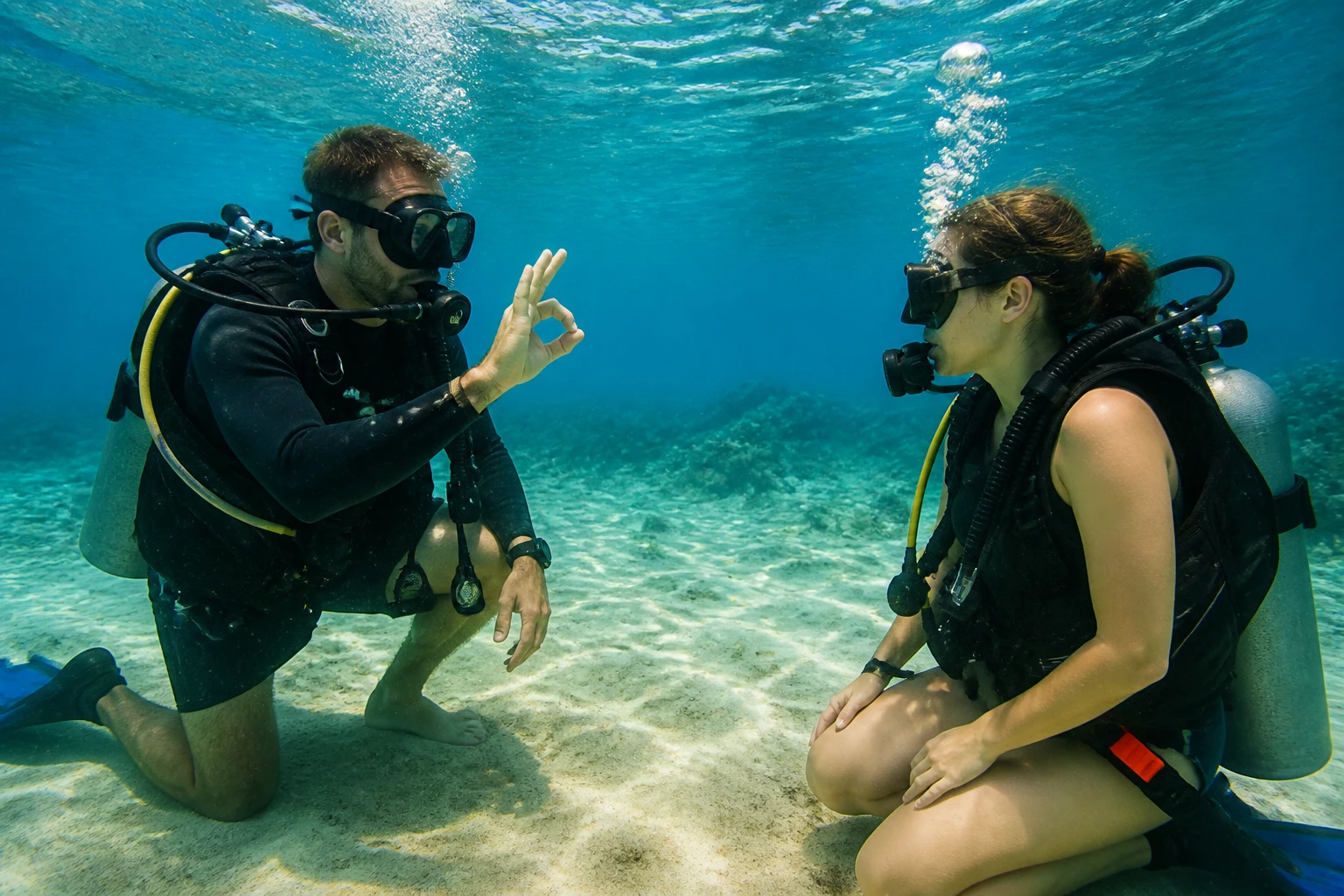
The verified introductory format starts with an explanation and basic skills practice in a pool or calm water before the single dive. This sequence matters. It gives beginners an opportunity to become familiar with the activity in a more controlled setting before going underwater at the day’s assigned site. Ask for the current timetable, because the order and timing of each component are operator-specific.
Do not assume hotel pickup is included. The English version of one listing directs participants to a specified meeting location, while its Spanish version says pickup and return from Punta Cana-area hotels or locations can be provided. The difference may reflect page or product details, but it is not a reliable promise of transport. Get the exact meeting point, pickup eligibility, time, and return plan in writing.
When a booking requires self-arrival, a guide on how to get around Punta Cana without a car can help you plan the trip to the meeting point. Confirm the pickup or meeting arrangement before making other plans that day. A three-hour activity can become longer in practice when travel to and from the departure point is added.
Set realistic expectations for reefs, wrecks, and caves
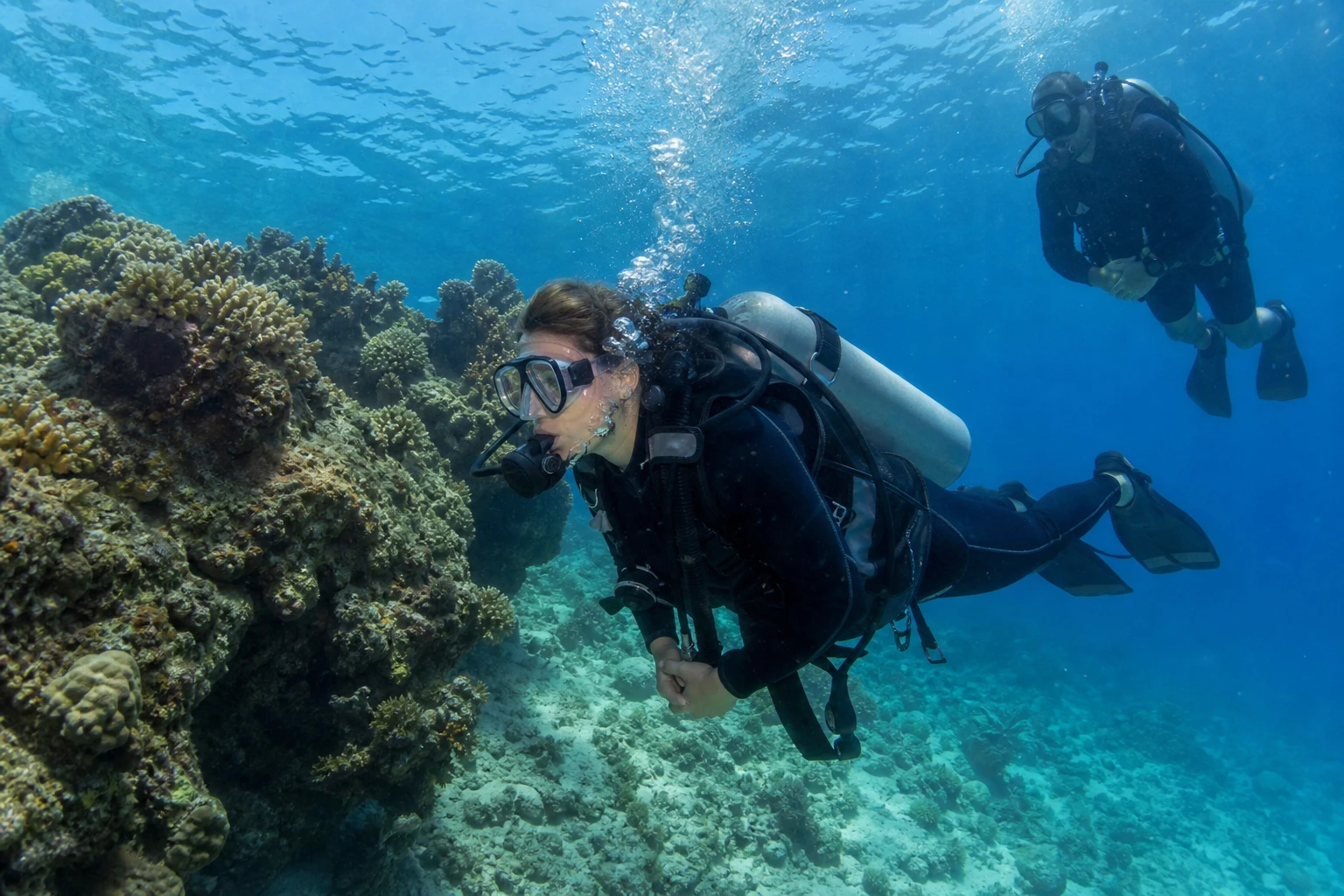
Punta Cana’s official tourism information highlights offshore barrier-reef formations, a coral garden, wrecks, and a cave among the area’s underwater attractions. These features show the range of regional possibilities, not a menu that every beginner session will deliver. The introductory operator listing states that the dive site is selected on the day, so a particular reef, wreck, or underwater feature should never be assumed at booking.
A cave deserves particular caution in trip planning. Do not present or book a cave as part of a beginner experience without direct confirmation from the specific operator and instructor. For a first dive, focus on the quality of instruction, a manageable format, and clear day-of communication instead of chasing a named underwater attraction.

Punta Cana Buggy Tour + Macao Beach + Cave Swim + Organic Tasting
(We'll pick you up at your hotel) take you on an incredible experience driving your own buggy to a beautiful beach...

Half Day Dominican Republic Cultural Tour : Small Group
It is the best way for travelers to get to know the Dominican Republic by sharing with the people who live in the co...

Punta Cana Beach Horseback Riding
Good services for love to the animal our more 20 years experience en the area of Horsebackriding and tourism
Budget for the full beginner scuba outing
At the time these examples were checked, a one-dive Discover Scuba experience was displayed at US$95 for a selected date and US$105 on the same PADI booking listing. It was described as an approximately three-hour program. A separate Punta Cana operator advertised a US$100 Discover experience that included equipment, briefing, skills practice, and the dive. These are planning examples, not an all-in local rate or a guaranteed price.
| Planning item | What to confirm before payment |
|---|---|
| Advertised price | The exact date-specific total, currency, taxes, and cancellation terms. |
| Equipment | Which items are included in the booking you are considering. |
| Getting there | Whether pickup is offered, where it applies, and any transport charge. |
| Optional extras | Whether photos, tips, or other extras are included or separate. |
A written total is more useful than a tempting headline price. Ask the operator to spell out inclusions and exclusions before you commit, especially for equipment, transfers, taxes, photos, tips, and cancellation rules. Compare like with like: a lower listed price is not necessarily lower once transport or other items are added.
Schedule scuba early enough before your flight
Do not place a beginner dive immediately before a flight home. Divers Alert Network recommends a minimum surface interval of 12 hours before flying after one no-decompression dive. After multiple dives or multiple days of diving, its guidance recommends at least 18 hours. Longer intervals provide an additional margin of risk reduction, and this guidance applies to divers without decompression-sickness symptoms.
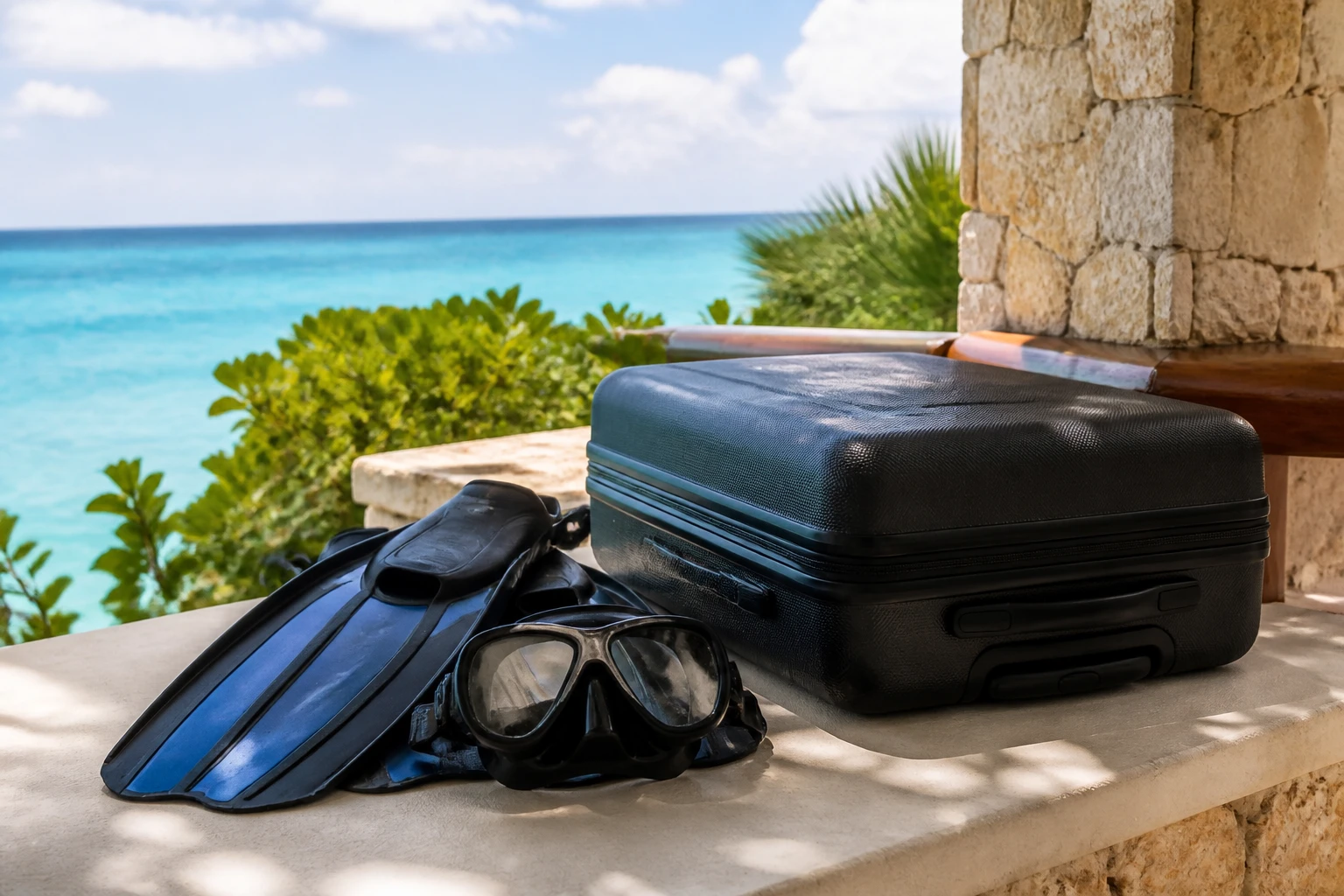
The practical choice is to book early in the trip when possible, then keep the final day free of scuba. That leaves room for a reschedule if an operator changes the site or timing and avoids having to count backward from airport departure on your last morning. A first dive is far more enjoyable when the flight clock is not hanging over it.
Be honest about health, congestion, and comfort
A resort setting does not make scuba appropriate when you are acutely ill or congested. Divers Alert Network notes that even a common cold can interfere with safe diving because it may affect ear and sinus equalization as well as exercise capacity. If you wake up sick, do not treat the booking as a reason to push through symptoms.
Complete the operator’s medical screening truthfully. If a health concern is relevant to the questions asked, seek individualized medical advice when indicated rather than looking for reassurance in a general travel guide. An operator needs accurate information to make an appropriate decision about participation on the day.
You can also make the first session less pressured by asking in advance how the skills practice works and when questions can be asked. The goal is not to prove toughness. The goal is to find out, under supervision, if scuba is an activity you enjoy and want to learn more deeply.
Ask directly about accessibility and physical logistics
Do not infer accessible diving arrangements from a resort’s general facilities. The reviewed tourism page and introductory booking listing do not document wheelchair access, step-free boat boarding, transfer lifts, beach-entry assistance, adaptive equipment, or individualized support. That absence does not establish that help is unavailable, but it means the operating dive center must answer specific questions before a booking is made.
- Can you provide an accessible vehicle transfer from my exact accommodation?
- What is the route from the vehicle to the water, and where are the stairs, sand, slopes, or uneven surfaces?
- How do participants enter and exit the water, and are boat ladders or lifts involved?
- Can staff assist with transfers, and what equipment adaptations are available?
- Can the instructor accommodate my specific mobility, sensory, or medical needs? Please confirm the answer in writing.
Still comparing Beginner Scuba Diving In Punta Cana?
Ask for tour ideas, hotel suggestions, or a simple trip plan that combines both.
Trip Helper
Keep normal travel safety in the plan
For general destination context, the U.S. Department of State listed the Dominican Republic at Level 2, “Exercise Increased Caution,” due to crime when this research was reviewed. Its advice includes staying alert, avoiding displays of wealth, keeping food and drinks attended, and traveling with a partner or group where possible. This is general travel guidance, not a rating of dive operators or a diving-specific risk assessment.
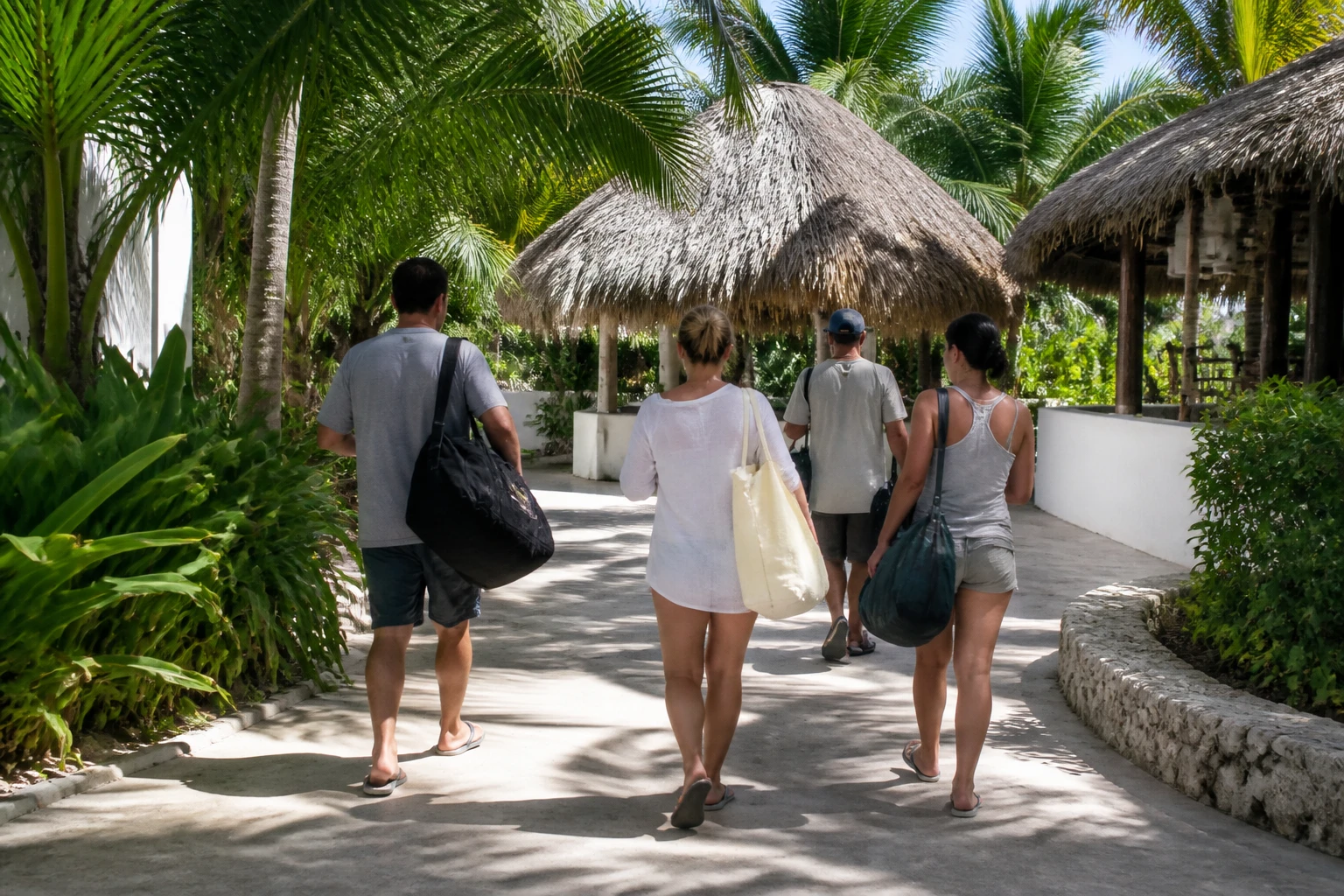
Use that advice around the ordinary parts of the outing: the transfer, meeting point, and return to your accommodation. Keep valuables to a minimum, know how you are getting back, and make sure someone in your party knows the day’s plan. These simple details allow your attention to stay on the activity itself.
A six-step booking checklist for first-time divers
- Select a Discover Scuba experience if your aim is a supervised trial, and choose a separate certification path only if independent diving later is your goal.
- Ask for the full itinerary: total duration, where skills practice occurs, number of dives, and the current participant-to-instructor limit.
- Request the exact pickup or meeting instructions in writing. Do not rely on conflicting language versions of a booking page.
- Confirm the complete cost, including equipment, transport, taxes, photos, tips, cancellation conditions, and anything else that may be extra.
- Ask how the day’s site is chosen, but avoid requesting a guaranteed wreck, reef, or cave unless the operator explicitly confirms it for your date and experience level.
- Complete medical screening honestly and place the activity at least 12 hours before flying after one no-decompression dive, or at least 18 hours after multiple dives or diving days.
Make the first dive a well-planned experiment
Beginner scuba diving in Punta Cana can be a memorable addition to a beach vacation when the plan stays grounded. Book a supervised introductory session, accept that the day’s site may change, confirm the pickup and full price in writing, and protect the flight buffer. With those basics settled, the experience becomes what it should be: a careful first look at an underwater part of the destination, with room to decide what comes next.
Frequently asked questions
Is Discover Scuba Diving in Punta Cana a certification?
No. A Discover Scuba session is an introductory, supervised experience designed to let you try breathing underwater, learn basic skills, and decide if you want further training. Travelers who want to dive independently later need a separate certification pathway.
How long does a beginner scuba session in Punta Cana take?
One verified Bávaro Discover Scuba listing describes an approximately three-hour program with introductory skills practice and one dive. Confirm the actual schedule with your chosen operator because format and logistics can vary.
How much does beginner scuba diving in Punta Cana cost?
Observed examples were roughly US$95–105 for an approximately three-hour, one-dive Discover Scuba experience, while another operator advertised US$100 with equipment, briefing, skills practice, and the dive. These are examples, not fixed rates. Confirm all inclusions, taxes, transport, and cancellation terms before payment.
Will a beginner scuba dive include a wreck or cave?
Do not assume so. Official tourism information highlights reefs, wrecks, and a cave among Punta Cana’s underwater attractions, but the verified introductory listing says sites are selected on the day. A cave should not be represented as a beginner activity without direct confirmation from the operator and instructor.
Does beginner scuba diving in Punta Cana include hotel pickup?
It may, but it needs written confirmation. One listing’s English version calls for meeting at a specified location, while the Spanish version says Punta Cana-area hotel or location pickup can be provided. Confirm the exact policy, pickup area, time, and return arrangement with the operator you book.
How long should I wait to fly after a scuba dive?
Divers Alert Network recommends at least 12 hours before flying after one no-decompression dive. After multiple dives or multiple diving days, it recommends at least 18 hours. Longer intervals further reduce risk, and the guidance applies to divers without decompression-sickness symptoms.
Can I scuba dive if I have a cold or congestion?
Do not assume that you can. Divers Alert Network says a common cold can interfere with ear and sinus equalization and exercise capacity. Complete the medical screening honestly, and seek individualized medical advice when a relevant health concern is present.
Are beginner scuba trips in Punta Cana accessible for travelers with mobility needs?
The reviewed tourism and introductory booking pages do not document step-free access, transfer lifts, adaptive equipment, assisted entries, or other individualized support. Ask the operating dive center in writing about the transfer route, water entry and exit, equipment adaptations, and the support needed for your specific circumstances.
Scuba Diving Beginner Course
Our unique scuba dive experience is in one of the most beautiful locations in the Dominican Republic. And the best part is that you don't need to have...
Experiences to explore
 Explore experience ↗
First Time Scuba Diving Experience in Punta Cana
◷ 3 hr 30 min
Experience the incredible coral reefs beneath the waves with this Scuba Diving program. The Discover Scuba is a first time dive experie
See dates for Current pricing
View dates Explore experience ↗
Scuba Diving Beginner Course
◷ 8 hr
Our unique scuba dive experience is in one of the most beautiful locations in the Dominican Republic. And the best part is that you don
See dates for Current pricing
View dates Explore experience ↗
Full-Day Catalina Island Scuba Diving Tour from Punta Cana
◷ 9 hr
Enjoy a magical day underwater during this full-day scup diving trip from Punta Cana. Travel to picturesque Catalina Island and immerse
See dates for Current pricing
View dates