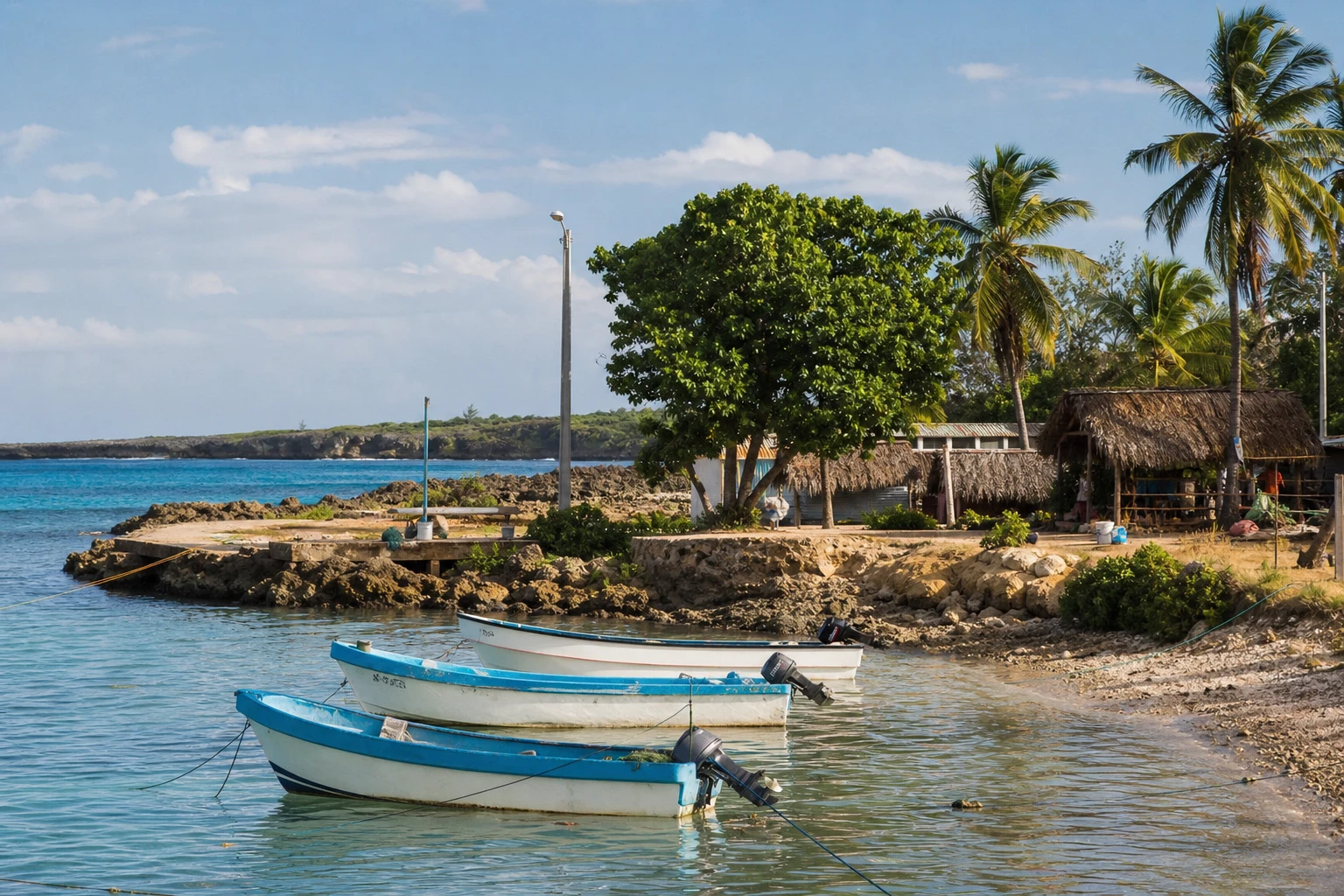
Punta Cana works especially well for a solo traveler who wants warm weather, beach time, and a vacation that requires limited daily planning. Direct access through Punta Cana International Airport and relatively short transfers to major resort areas simplify arrival. The main tradeoffs are a spread-out layout, limited door-to-door public transportation, and room prices that can be less favorable for one guest.
- Prearrange your first airport transfer with your accommodation or a registered transportation provider.
- Choose a self-contained resort for simplicity or consider Bávaro and El Cortecito for a less isolated base.
- Compare the total price for one guest, including meals, transfers, taxes, and single-occupancy charges.
- Use established excursion operators and review activity safety standards before booking.
- Plan transportation in advance because Punta Cana is spread out and not designed like a walkable city break.
Is Punta Cana a good destination for solo travel?
Yes, particularly if your ideal solo trip centers on a resort, the beach, and organized activities. Bundled meals and amenities can remove many small decisions from the day. Organized excursions also give independent travelers a structured way to explore without arranging every transport segment separately. That combination makes Punta Cana easier than destinations where visitors must coordinate several trains, buses, and hotel changes.

Private Punta Cana Airport Transfers Hotels in Dominican Republic
Why Choose Our Punta Cana Airport Transfers? Experience the perfect combination of affordability and premium service for your Punta Cana airport trans...

Private Transfer from Punta Cana Airport to Bavaro
We offer reliable airport transfers for very affordable prices safe transportation service in punta cana. private tr...

VIP Private Round-Trip Transfer from Punta Cana Airport
At HQT Punta Cana, we provide more than just a ride — we deliver a seamless, premium transportation experience fro...
Punta Cana is less suitable for travelers seeking a compact center that can be explored entirely on foot. Hotels, beaches, activity departure points, and communities are distributed across a broad resort region. A spontaneous change of plans can therefore require a taxi, transfer, rental car, or careful use of local buses.
The destination also suits different levels of independence. One traveler can spend the week inside an all-inclusive property, while another can stay near Bávaro or El Cortecito and arrange meals and outings separately. The right choice depends less on a universal “best area” and more on how much transportation, social contact, and daily planning you want.
Choosing the best area and accommodation style
Start by deciding between a self-contained resort and a more independent base. A resort reduces logistical friction and can make meals, drinks, and downtime easier to manage alone. Before reserving, compare the complete solo room price and read what the rate includes. A discounted headline rate is less useful when transfers, meals, or mandatory extras substantially change the total.
| Stay style | Best for | Main consideration |
|---|---|---|
| All-inclusive resort | Low-planning beach time and bundled amenities | Solo room pricing can carry a single-occupancy premium |
| Bávaro or El Cortecito base | Travelers seeking a different balance of resorts and nearby services | Walkability varies by exact property and should be checked before booking |
| Punta Cana or Cap Cana property | A shorter transfer from PUJ in many cases | The surrounding area can still be spread out and transport dependent |
| Macao or Uvero Alto property | Travelers comfortable staying farther from the airport | Official estimates place these areas about 45 minutes from PUJ |
A guide to where to stay in Punta Cana for first-time visitors can help narrow the wider area, while a detailed Punta Cana all-inclusive resort guide is useful if bundled dining and activities are priorities. Solo travelers should also look beyond room photographs. Check the property layout, restaurant access, evening atmosphere, transfer options, and whether activities are comfortable to join without a companion.
Bávaro and El Cortecito can offer a different experience from an isolated resort complex, but do not assume every hotel is surrounded by easily walkable services. Review the exact property location and ask how guests typically reach restaurants, beaches, or pickup points. A dedicated Bávaro travel guide can help you understand that part of the destination before committing to a neighborhood.
Getting from Punta Cana airport to your hotel
Punta Cana International Airport, known by the code PUJ, is the main gateway. Official tourism estimates place Punta Cana and Cap Cana about 15 minutes away, Bávaro, El Cortecito, and Arena Gorda about 30 minutes away, and Macao and Uvero Alto about 45 minutes away. Actual journey times can change with traffic and the precise hotel location.

For the easiest arrival, arrange transportation through your accommodation or a registered provider before flying. The airport lists taxis, tour-operator desks, and rental-car agencies on site. Solo travelers benefit from having the driver or meeting procedure settled before landing, especially after a long flight or an evening arrival.
A Punta Cana airport-to-resort transportation guide can help you compare transfer formats before booking. Check whether the quoted amount is per person or per vehicle, whether the transfer is private or shared, and whether waiting time or extra stops are part of the service. Keep the confirmation accessible offline and follow the provider’s stated meeting instructions.

Buggy Tour in Punta Cana with Stops at the Beach and a Cave
Nature and Off-Road Adventure Tour Travelers will drive their own buggy along dirt trails, crossing muddy paths, hil...

Punta Cana Airport Private Transfers to Hotels
VIP Luxury Transportatin Punta Cana Airport Round Trip, or One Way to anywhere Punta Cana and Uvero Alto Area. Perfe...

Half Day Dominican Republic Cultural Tour : Small Group
It is the best way for travelers to get to know the Dominican Republic by sharing with the people who live in the co...
Getting around without depending on a rental car
Punta Cana is not one of the easiest Caribbean destinations to navigate using public transportation alone. Smaller buses called guaguas serve local and longer routes, while Expreso Bávaro provides a major connection between the Bávaro area and Santo Domingo. These services can suit experienced independent travelers, but they do not provide the same door-to-door convenience as a hotel transfer or taxi.
Bus schedules, stops, and fares can change, so confirm the current arrangement locally before building a fixed itinerary around them. A practical guide to getting around Punta Cana without a car is useful for comparing local transport with taxis and prearranged transfers. For most first-time solo visitors, combining a booked airport transfer with organized activity pickups offers the simplest plan.
A rental car offers flexibility but also places every route and parking decision on you. Consider one only if your itinerary genuinely requires independent movement. If most days involve the hotel, beach, and excursions with pickup, paying for a car that remains parked adds cost without solving a real problem.
Staying safe as a solo traveler
Current U.S. travel advice calls for increased caution in the Dominican Republic. That does not prevent a solo trip, but it makes sensible planning important. Use authorized airport or hotel taxis or a registered transfer provider, avoid unlicensed transportation, keep valuables protected, and choose established operators for recreational and adventure activities.
Adventure providers do not necessarily follow the safety standards you expect at home. Before booking, read the activity description, restrictions, equipment details, and cancellation terms. Review the meeting point and return arrangement as well. If an operator changes important details at check-in or the setup feels poorly managed, step away rather than letting a prepaid booking dictate your judgment.
Use the room safe when available, carry only what you need for the day, and avoid displaying valuables during transfers or outings. Share your accommodation and excursion details with someone you trust. The Dominican Republic’s tourist-police number is 809-222-2026, which is worth saving before arrival alongside your insurer and accommodation contacts.
Social plans deserve the same boundaries you use at home. Meet new acquaintances in established public settings, keep control of your drink, and arrange your own return transportation. If you leave the resort, tell the front desk or a trusted contact where you are going. These simple habits preserve independence without turning the trip into a checklist of worries.
How to budget for a trip priced for one
Build your Punta Cana budget from live quotes rather than a generic daily estimate. Prices depend on travel dates, property type, room occupancy, transportation, and excursion format. Solo guests can face a meaningful single-occupancy premium at all-inclusive resorts, so compare the final price for one person rather than dividing a double-occupancy advertisement in half.

- Record the complete accommodation price for one guest.
- Note whether meals and drinks are included.
- Add round-trip airport transportation if it is not bundled.
- Compare excursion prices per person and transfer prices per vehicle.
- Review cancellation terms before choosing a cheaper, less flexible rate.
All-inclusive accommodation can still provide good value when you plan to eat, relax, and spend most of your time on the property. An independent hotel can work better if you expect to dine elsewhere or spend full days on excursions. The useful comparison is your likely total, not the room rate alone. A Punta Cana budget travel guide can help organize these categories before you request quotes.
Still comparing Punta Cana Solo Travel Airport Logistics?
Ask for tour ideas, hotel suggestions, or a simple trip plan that combines both.
Trip Helper
Weather, peak periods, and when to visit
Punta Cana remains warm throughout the year, with typical temperatures described at roughly 25 to 32°C, or 77 to 90°F. December through April and the summer period are identified as peak times. Higher demand can influence room availability and the feel of a resort, so travelers who value a less busy atmosphere should compare several sets of dates.
Do not choose a month based only on the idea that an off-peak period will be dry or automatically cheaper. Compare current hotel prices and cancellation conditions for your actual dates. A Punta Cana weather-by-month guide can help place seasonal conditions in context, but a flexible reservation remains useful when weather is an important part of the decision.
Warm conditions also affect the rhythm of a solo itinerary. Schedule demanding activities with recovery time in mind, carry water, and avoid packing every day with distant outings. One advantage of traveling alone is the freedom to slow down when the heat or a late return makes an empty afternoon more appealing than another reservation.
Solo-friendly ways to spend your time
The easiest solo itinerary combines independent beach or resort time with a few organized activities. A structured tour handles some transportation and creates a natural setting for meeting other travelers. Free days then prevent the trip from becoming a chain of pickup windows and group schedules.
For your first outing, choose an activity with clear pickup instructions, stated restrictions, and an established operator. Boat trips, snorkeling outings, and inland adventures can all involve different equipment and safety procedures, so assess the specific booking rather than assuming every provider follows the same standard. Exact inclusions and pickup areas depend on the package selected.
A guide to the best things to do in Punta Cana for first-time visitors can provide ideas, but leave room for unstructured time. Solo travel becomes expensive and tiring when every morning begins with a transfer. Two or three well-chosen outings often create a better rhythm than committing the entire vacation before seeing the property and surrounding area.
A flexible three-day solo itinerary
Day 1: Arrive and settle in
Use your prearranged transfer and keep the first evening simple. Learn the hotel layout, confirm meal arrangements, and check any excursion messages. If you are staying outside a self-contained resort, ask how guests reach nearby services and how transportation back to the property works after dark.

Day 2: Join one organized outing
Choose an established excursion with a clear meeting point and return plan. Recheck the confirmation before leaving your room, take only essential valuables, and note any health or equipment restrictions. Keep the evening open in case transportation runs later than expected or the day proves more tiring than planned.
Day 3: Slow down and decide what comes next
Spend an unhurried day at your beach or resort, or make a locally arranged visit to another area using authorized transportation. This pause lets you judge whether you want another group excursion, more independent exploration, or a full day without a schedule. A complete three-day Punta Cana itinerary can supply additional structure if you prefer to plan each day before arrival.
Entry requirements to check before departure
The Dominican Republic’s online e-ticket is mandatory for tourist entry. Complete the official process before travel and keep the relevant details accessible. Entry requirements depend on nationality, passport status, and current rules, so check the Dominican authorities and your airline before departure rather than relying on an old trip report.
A temporary measure in effect through December 31, 2026 allows tourists from the United States, Canada, the United Kingdom, European Union countries, and several listed Latin American countries to enter with a valid passport under the conditions stated by Dominican tourism authorities. Because the rule is both nationality-specific and time-limited, verify that it applies to you before flying.
Keep copies of your passport details, insurance information, flight itinerary, hotel confirmation, and return transfer instructions somewhere separate from the originals. Solo travelers have no companion carrying duplicate information, so secure digital access can make an ordinary delay or misplaced document easier to manage.
Buggy Tour in Punta Cana with Stops at the Beach and a Cave
Nature and Off-Road Adventure Tour Travelers will drive their own buggy along dirt trails, crossing muddy paths, hil...
Punta Cana Airport Private Transfers to Hotels
VIP Luxury Transportatin Punta Cana Airport Round Trip, or One Way to anywhere Punta Cana and Uvero Alto Area. Perfe...
Half Day Dominican Republic Cultural Tour : Small Group
It is the best way for travelers to get to know the Dominican Republic by sharing with the people who live in the co...
Planning for mobility and accessibility needs
Punta Cana’s spread-out, resort-oriented design makes advance accessibility planning essential. There is no single destination-wide arrangement that covers every hotel, beach, vehicle, and excursion. Confirm the details directly with each property and operator rather than assuming that an accessible guest room guarantees an accessible route through the entire trip.
Ask specifically about step-free room access, roll-in bathing arrangements, beach wheelchairs, accessible transfer vehicles, and any lifts or assisted transfers needed for boats. Also confirm what happens if equipment is unavailable. Precise questions produce more useful answers than asking only whether a property or activity is “accessible.”
Airport transportation deserves the same attention. Arrange a suitable vehicle before arrival and make sure the provider understands the mobility device, transfer assistance, and luggage requirements involved. Keep the accommodation’s contact details available in case the meeting process changes.
What to pack for a solo Punta Cana trip
Pack for warm conditions and for days that can include both relaxation and organized transportation. Lightweight clothing, comfortable footwear, sun protection, a refillable water bottle, swimwear, and a compact day bag form a practical base. Add any activity-specific items listed in your booking confirmation rather than carrying equipment you may never use.
- Passport and required entry information
- Secure copies of bookings and emergency contacts
- Sun protection and lightweight clothing
- Comfortable footwear for transfers and excursions
- A compact bag that keeps valuables close
- Necessary medication in an accessible place
Avoid overpacking simply because you are traveling alone. Managing your own luggage is easier when every item has a purpose, particularly during airport transfers. Keep essentials in your carry-on and make sure medications, identification, and your first transfer details are available without opening checked baggage.
The practical verdict for solo travelers
Punta Cana is a strong choice for solo travelers who want a warm beach vacation with straightforward airport access and the option to let a resort handle much of the daily planning. It is less compelling for someone whose main goal is wandering through a compact city or depending entirely on public transportation.
The smoothest plan is simple: select a property that matches your preferred level of independence, compare the complete solo price, prearrange the first transfer, and book only a few carefully chosen activities. That leaves enough structure to feel secure and enough open time to enjoy the freedom that made you travel alone in the first place.
Frequently asked questions
Is Punta Cana safe for solo travelers?
Punta Cana can be visited solo with sensible precautions. Current U.S. advice calls for increased caution in the Dominican Republic, so use authorized transportation, protect valuables, choose established activity operators, and share your plans with someone you trust.
Is Punta Cana good for a first solo trip?
Yes, especially for travelers who want a resort-centered beach vacation with limited planning. Short transfers from PUJ to several major resort areas and bundled accommodation options reduce logistical friction, although the region is not highly walkable.
Do I need a car when traveling alone in Punta Cana?
Most resort-focused solo travelers do not need a rental car. A prearranged airport transfer, authorized taxis, and excursions with pickup can cover many trips, while local buses suit visitors comfortable with less direct service.
Are all-inclusive resorts worth it for solo travelers?
They can be worthwhile when you value bundled meals, amenities, and a low-planning schedule. Compare the final rate for one guest carefully because solo travelers can face a single-occupancy premium.
How far is Punta Cana airport from the resort areas?
Official estimates place Punta Cana and Cap Cana about 15 minutes from PUJ, Bávaro, El Cortecito, and Arena Gorda about 30 minutes away, and Macao and Uvero Alto about 45 minutes away. Traffic and the exact property location affect the journey.
What is the best time for solo travel to Punta Cana?
The best time depends on your preferred atmosphere and the live price for your dates. Punta Cana is warm year-round, while December through April and summer are identified as peak periods, so compare availability and cancellation terms rather than selecting a month on weather assumptions alone.
Do I need the Dominican Republic e-ticket?
Yes, the online e-ticket is mandatory for tourist entry. Passport and entry rules vary by nationality and can change, so verify the current requirements with Dominican authorities and your airline before departure.
What emergency number should solo travelers save?
Save the Dominican Republic tourist-police number, 809-222-2026. Keep it with the contact details for your accommodation, travel insurer, transfer provider, and a trusted person at home.
Private Punta Cana Airport Transfers Hotels in Dominican Republic
Why Choose Our Punta Cana Airport Transfers? Experience the perfect combination of affordability and premium service for your Punta Cana airport trans...
VIP Private Round-Trip Transfer from Punta Cana Airport
At HQT Punta Cana, we provide more than just a ride — we deliver a seamless, premium transportation experience fro...
Punta Cana Airport Private Transfers to Hotels
VIP Luxury Transportatin Punta Cana Airport Round Trip, or One Way to anywhere Punta Cana and Uvero Alto Area. Perfe...
Private Transfer from Punta Cana Airport to Bavaro
We offer reliable airport transfers for very affordable prices safe transportation service in punta cana. private tr...