The Snorkeling Spots Around Punta Cana That Actually Deliver
Snorkeling around Punta Cana can be enjoyable, but expectations matter. The resort coast faces open water, visibility changes with wind and boat traffic, and not every short catamaran stop leads to a thriving shallow reef. The best experience comes from matching the outing to the kind of snorkeling you actually want.
If seeing fish and coral is the main purpose of the day, choose a tour designed around water time. If snorkeling is just one pleasant part of music, drinks, and sailing, a local catamaran can be exactly right.

Small-Group Cruising and Snorkeling Catamaran Tour
This small-group sailing and snorkeling catamaran tour is limited to 16 guests per tour; this limited size sets this tour apart from others. With us...

Punta Cana Hip Hop Party Boat Adults Only Live DJ & Open Bar
Dance and celebrate off the coast of the Dominican Republic on this party boat package. Designed for adults only, bo...

Exclusive Hip Hop Punta Cana Party Boat with Open Bar *Only Adult
The Punta Cana Hip-Hop Partyboat isn’t just another cruise it’s a full-on Caribbean music experience blending th...
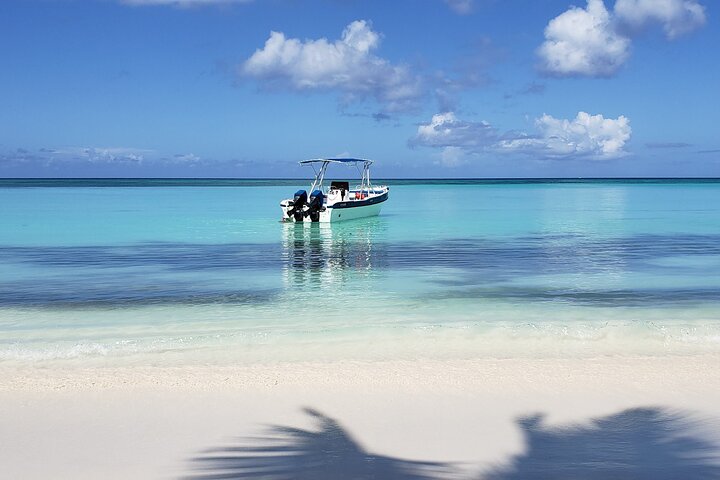
Small Group: Saona Island Full Day Tour
This unique experience to Saona Island offering for small groups of 14 pax. Limited 2 Groups. We will visit places n...
Bávaro reef stops
Many coastal cruises from Bávaro include a short reef stop. These are convenient and social, with minimal road transfer. Conditions can be variable, and a large group may spend more time organizing masks and fins than exploring.
Ask how long guests are actually in the water, how guides divide different ability levels, and whether flotation vests are mandatory. A smaller boat is often more valuable than a longer list of onboard extras.
Catalina Island for a snorkeling-focused day
Catalina lies on the Caribbean side of the Dominican Republic and is commonly reached from the La Romana or Bayahíbe area. The road transfer from Punta Cana is longer, but conditions are often chosen by travelers who prioritize clearer-water reef time.
Review the itinerary carefully. Some tours combine a strong snorkeling stop with a beach visit, while others spend much of the day moving between pickup points. Choose a provider that identifies the site, gives realistic water time, and carries equipment in multiple sizes.
Saona trips with snorkeling
Saona is primarily a scenery and beach day. Some tours add a snorkel stop, but the quality and duration vary. Do not choose Saona solely for underwater life unless the operator specifically describes a guided reef component.
For many travelers, the natural pool and beach are the highlights. Treat any snorkeling as a bonus and choose the boat based on safety, capacity, shade, and time on the island.
Private and small-group boats
A private or small-group outing gives beginners more attention and experienced swimmers more usable water time. It can also select a site based on that morning’s conditions rather than following a fixed mass-tour sequence.
Ask whether the guide enters the water, whether a lookout remains on the boat, and how the crew handles current or poor visibility. A responsible operator should be comfortable changing the plan when the sea is not suitable.
What good equipment looks like
A mask should seal without painfully tightening the strap. Fins should fit securely without crushing the toes. A snorkel should be clean and undamaged, and flotation should be available for anyone who wants it.
Bring your own mask if fit or prescription is important. Even an inexpensive familiar mask can improve the day more than an upgraded drinks package.
What to pack
- A rash guard for sun protection and warmth between stops.
- Reef-conscious sunscreen applied well before entering the water.
- A dry bag or waterproof phone pouch.
- A towel if it is not explicitly included.
- Drinking water.
- Motion-sickness medication if needed.
- A spare pair of contact lenses or a prescription mask if vision is important.
Leave jewelry and loose accessories at the hotel. They are difficult to recover and unnecessary around ladders, ropes, and fins.
Beginner advice
Practice breathing through the snorkel in shallow, calm water before moving away from the boat. Keep the face relaxed, kick from the hips, and avoid racing to keep up with stronger swimmers. Tell the guide that you are a beginner before entering.
Do not let embarrassment push you into conditions that feel unsafe. A flotation vest and close guide support can make the experience much more comfortable.
Protecting the reef
Never stand on coral, chase wildlife, feed fish, or lift animals out of the water. Keep fins high when turning so they do not strike the bottom. If the group is crowding a small area, create distance rather than pushing closer for a photograph.
Choose operators that explain these rules and control group behavior. Environmental care is also a useful signal of overall professionalism.

Private Luxury Charter Punta Cana Bavaro
Welcome on board of our brand new Private Charter, the perfect way to relax, soak up the sunshine, and spend time on...

Half Day Dominican Republic Cultural Tour : Small Group
It is the best way for travelers to get to know the Dominican Republic by sharing with the people who live in the co...

Saona Island Day Trip From Punta Cana with Lunch and Open Bar
Explore the remarkable Altos de Chavon and dig your toes in the sand of Saona Island during this full-day excursion...
When conditions are poor
Wind and swell can reduce visibility or make entry difficult. A good crew may move sites, shorten the stop, or cancel for safety. That is responsible, not a service failure.
Schedule a snorkeling-focused trip earlier in the stay so there is room to rebook. Keep another beach or resort plan ready and judge the day by the full experience, not a single visibility number.
Choosing the right outing
- Choose a Bávaro coastal cruise for convenience, sailing, and a social atmosphere.
- Choose Catalina for a longer day where snorkeling is the priority.
- Choose Saona for island scenery with possible snorkeling as an extra.
- Choose a private or small-group boat for individual attention and flexible pacing.
Read the latest itinerary and pickup information before booking. Our Punta Cana tour guides can help compare the broader day once you know what kind of water time matters most.

Small Group Snorkeling Cruise with Open Bar and Light Snacks
Limited to 27 guests per tour on a boat with capacity for 72. Begin your tour with hotel pickup prior to your selected morning or afternoon departure...
Small-Group Cruising and Snorkeling Catamaran Tour
This small-group sailing and snorkeling catamaran tour is limited to 16 guests per tour; this limited size sets this...

Caribbean Escape: An Adults-Only Ocean Experience (15+) Premium
Escape the crowds on this premium catamaran experience in Punta Cana, limited to just 35% of the boat's capacity for...

Coco Bongo Punta Cana Gold Member Skip the line Entrance Ticket
Experience the ultimate night out at Coco Bongo Punta Cana, the Caribbean's most iconic entertainment venue. Skip th...

Coco Bongo Punta Cana with Open Bar and Hotel or Resort Pickup
Are you in Punta Cana? Want to get some Punta Cana night life? Then is Coco Bongo Time. We pick up from most hotels...

Buggy Tour in Punta Cana with Stops at the Beach and a Cave
Nature and Off-Road Adventure Tour Travelers will drive their own buggy along dirt trails, crossing muddy paths, hil...
Punta Cana Hip Hop Party Boat Adults Only Live DJ & Open Bar
Dance and celebrate off the coast of the Dominican Republic on this party boat package. Designed for adults only, board a catamaran and set off on a t...
Exclusive Hip Hop Punta Cana Party Boat with Open Bar *Only Adult
The Punta Cana Hip-Hop Partyboat isn’t just another cruise it’s a full-on Caribbean music experience blending th...
Small-Group Cruising and Snorkeling Catamaran Tour
This small-group sailing and snorkeling catamaran tour is limited to 16 guests per tour; this limited size sets this...
Caribbean Escape: An Adults-Only Ocean Experience (15+) Premium
Escape the crowds on this premium catamaran experience in Punta Cana, limited to just 35% of the boat's capacity for...